How Does a Water Pump Work? Simple Explanation for Homeowners

How Does a Water Pump Work_ Simple Explanation for Homeowners
0 Comments

How Does a Water Pump Work? Simple Explanation for Homeowners Water pumps are one of those things most homeowners don’t think about until something goes wrong. When water pressure drops, taps stop flowing, or a tank doesn’t fill properly, the pump suddenly becomes very important. If you’ve ever wondered how a water pump works, this guide is for you. We’ll explain it in simple terms, without technical jargon, so homeowners can understand what’s happening behind the scenes and when to call a professional plumber. This article is especially useful for homeowners in Dubai, where water pumps play a critical role in the daily water supply. Why Water Pumps Are Important in Homes In many homes, especially villas and multi-story buildings, water doesn’t always flow naturally with enough pressure. This is where a water pump comes in. A water pump: Moves water from underground tanks to rooftop tanks Increases water pressure for showers and taps Ensures consistent water flow throughout the house Supports appliances like washing machines and water heaters In Dubai, where most homes rely on storage tanks rather than a direct water supply, water pumps are essential. What Is a Water Pump? A water pump is a mechanical device that moves water from one place to another by creating pressure. It doesn’t “pull” water as much as it pushes it using energy, usually electricity. In simple terms: The pump takes in water Uses mechanical force to move it Sends it out at a higher pressure That’s the basic idea behind how a water pump works. How Does a Water Pump Work? Simple Explanation for Homeowners Let’s break it down step by step. Step 1: Power Turns the Pump On Most residential water pumps use electricity. When the pump is switched on, electricity powers a motor inside the pump. Step 2: The Motor Spins an Impeller Inside the pump is a rotating part called an impeller. Think of it like a small fan with blades. When the motor runs: The impeller spins very fast This spinning creates movement inside the pump Step 3: Water Enters the Pump Water enters the pump through an inlet pipe. As the impeller spins, it creates a low-pressure area that allows water to flow inside. Step 4: Pressure Pushes Water Out As the impeller continues to spin: Water is forced outward Pressure builds up Water exits through the outlet pipe at a higher pressure Step 5: Water Reaches Its Destination The pumped water then: Fills a rooftop tank Supplies taps and showers Feeds appliances throughout the house This cycle continues until the pump is turned off or the tank is full. That’s the simple explanation of how a water pump works for homeowners. Common Types of Water Pumps Used in Homes Different homes need different types of pumps. Here are the most common ones used in Dubai. 1. Centrifugal Water Pumps These are the most popular residential pumps. How they work: Use a spinning impeller Rely on centrifugal force to move water Best for: Villas Rooftop tank filling Moderate water pressure needs 2. Booster Pumps Booster pumps are designed to increase water pressure. How they work: Boost existing water flow Maintain steady pressure in pipes Best for: Low water pressure problems Multi-floor homes Homes with multiple bathrooms 3. Submersible Pumps These pumps are placed directly inside water tanks or wells. How they work: Push water upward instead of pulling Fully submerged in water Best for: Underground tanks Deep water sources 4. Automatic Pressure Pumps These pumps turn on and off automatically based on water demand. How they work: Sense pressure changes Start when a tap opens Stop when the water flow ends Best for: Modern homes Energy-efficient systems Why Water Pumps Are Especially Important in Dubai Homes Dubai’s water system is different from many other places. Most homes: Store water in underground or rooftop tanks Do not rely on constant municipal pressure Need pumps to distribute water efficiently Without a properly working pump, homeowners may experience: Weak showers Empty rooftop tanks No water on upper floors Noise or vibration in pipes This is why professional pump installation and maintenance are so important. Signs Your Water Pump Is Not Working Properly Knowing the warning signs can help you avoid bigger problems. Common symptoms include: Low water pressure Pump running continuously No water reaching the tank Unusual noises Water hammer sounds High electricity bills Pump not turning on at all If you notice any of these, it’s best to contact a professional plumber before the pump fails. Common Water Pump Problems and Their Causes 1. Pump Runs but No Water Flows Possible causes: Air trapped in the system Blocked inlet pipe Damaged impeller 2. Pump Turns On and Off Frequently Possible causes: Pressure switch issues Leaks in the system Incorrect pump size 3. Loud or Unusual Noise Possible causes: Worn bearings Loose mounting Air in pipes 4. Low Water Pressure Possible causes: Old pump Clogged pipes Incorrect pump type for the home How Long Does a Water Pump Last? On average, a residential water pump lasts 8 to 15 years, depending on: Quality of the pump Frequency of use Water quality Regular maintenance In Dubai’s climate, heat and sand can affect pump lifespan if not properly maintained. Basic Water Pump Maintenance Tips for Homeowners While major repairs should be left to professionals, homeowners can do a few simple things. Simple maintenance tips: Check for leaks around the pump Listen for unusual noises Keep the pump area clean and dry Ensure proper ventilation Schedule professional servicing once a year Regular maintenance can prevent costly breakdowns. When Should You Call a Professional Plumber? You should call a professional plumber if: The pump stops working completely Electrical issues are involved The pump needs replacement Water pressure problems continue You hear grinding or burning smells Trying to fix a pump without proper knowledge can make the problem worse. Choosing the Right Water Pump for Your Home Not all pumps are the same. Choosing the wrong one can lead to constant

What Causes Wall Peeling or Bubbles?

What Causes Wall Peeling or Bubbles
0 Comments

What Causes Wall Peeling or Bubbles? Unmasking Hidden Water and Moisture Damage Paint peeling, cracking, or bubbling on your walls isn’t just an aesthetic issue; it is a clear sign that there is moisture trapped inside the wall structure. It becomes critical to understand the What Causes Wall Peeling or Bubbles for prevention from severe structural damage that is irreversible and dangerous mold growth in your home. This happens when the moisture in the wall tries to find its way out, pushing the paint layer from the surface, creating bubbles. This is often the result of a hidden plumbing leak or persistent dampness. Plumber Dubai offers fast, noninvasive water leak detection, pinpointing the origin of water intrusion before your walls suffer catastrophic failure. For immediate assistance and accurate diagnosis, call us now at 0581873002. Plumbing Leaks—The Pressurized Culprits A failure in the pressurized plumbing system is the most common—and most destructive—source of wall bubbles. These leaks introduce a constant stream of water directly into the wall cavity. Pinhole Leaks in Water Supply Lines Behind the walls of every bathroom and kitchen, there are supply lines for hot and cold water. These are constantly under high water pressure. Corrosion and Age: Internal corrosion or weak joints may develop tiny pinhole leaks in older homes with either galvanized steel or copper pipework. Even a slow drip discharges pressurized water continuously into the drywall or plaster material. Continuous Saturation: This constant saturation swells the wall material, such as drywall or concrete. As the material expands and the moisture seeks an escape route, it forces the surface coating outward, creating noticeable paint bubbles or peeling. This is a primary answer to What Causes Wall Peeling or Bubbles? Leaks from the Shower Mixer Valve The shower valve controls the water temperature and flow and is an encapsulated fixture directly in the wall structure, making it a high-risk area. Defective Cartridge Seals: The internal valve cartridge degrades with use and can also be affected by hard water scale buildup. This can cause water to leak backward into the wall cavity even when the shower is turned off. Loose Fittings: The constant torque and movement associated with the use of the shower eventually loosen the fittings that connect the main supply lines to the mixer valve body. This relatively small, chronic leak quickly saturates the surrounding area, causing peeling and flaking paint on an adjacent bathroom wall. Toilet Tank Supply and Flange Leaks One of the major sources of hidden wall dampness near the floor level is the toilet area. Flexible Hose Failure: A small, flexible hose connected between the wall valve and the toilet tank can crack or loosen with time, allowing water to trickle into the space behind the vanity or toilet. Failed Flange Seal: A wax ring or rubber seal that has been compromised underneath the base of the toilet allows wastewater to seep into the subfloor every time the toilet is flushed. This moisture then wicks up into the lower sections of the wall, causing peeling paint near the baseboard. Drainage and Waterproofing Failures—The Intermittent Sources These issues only cause seepage when water is actually running, making the issues harder to diagnose but just as destructive. Cracked Shower Drain or Grout The shower area is the most common site for structural water seepage not related to the pressurized lines. Grout and Tile Permeability: Grout is obviously not impermeable, and older tiles also are not totally impervious. When the waterproofing membrane beneath them has failed or has developed cracks (often due to building settlement), water passing through the surface of the tile has no place to go other than into the wall or ceiling cavity. Drain Seal Failure: A poorly sealed or degraded connection where the shower drain meets the drain pipe allows water to run down the exterior of the pipe and into the concrete or wall structure with every shower, leading to progressive water damage and peeling paint on the ceiling below. Clogged or Leaking Drainage Pipes When a drainpipe or sewer system line becomes clogged up—by grease, hair, or scale—the water backs up. Joint Overload: This backup forces water under pressure against joints and seams that were not designed to hold pressure. Wastewater leaks out through the weakest points, causing sudden, significant wall dampness and peeling paint, often accompanied by a distinct sewer odor. Ventilation Issues: Improper or clogged installation of the vent pipe systems may hinder the regulation of air pressure, leading to the failure of water seals that may force small amounts of wastewater into the wall structure and thus damage the paint. External and Environmental Moisture Sometimes, the problem is not a plumbing leak but rather external moisture intrusion or high humidity, which is predominant in the highly humid environment of Dubai. Condensation and Humidity Issues If there is a high moisture level in the air, surface dampness may arise if walls are cold. Poor Ventilation: High humidity from steam in bathrooms and laundry rooms without proper or functioning exhaust fans can condense on cooler surfaces, causing mold growth and eventually paint failure, especially in corners and near ceilings. AC Drain Leaks: A clogged or poorly insulated AC drain line or ductwork running through a wall or ceiling can collect condensation, which leaks out into the surrounding wall material, causing highly localized bubbling and peeling. This is a common non-plumbing What Causes Wall Peeling or Bubbles. Rising Damp and Foundation Issues This could also be brought about by capillary action from the ground up into the foundation of the building. Ground water Intrusion: If the damp-proof course is missing in a building foundation or the exterior landscaping is done in such a manner that it allows water to collect near the base of a wall, the water will wick upward and create chronic wall dampness and characteristic peeling paint near floor level. White, salty deposits called efflorescence often accompany this. Diagnosis and Permanent Solution Whatever the What Causes Wall Peeling or Bubbles, the moisture must be located

Tips to Avoid Repeated Pipe Leaks

Tips to Avoid Repeated Pipe Leaks
0 Comments

Tips to Avoid Repeated Pipe Leaks: A Proactive Guide from Plumber Dubai There’s nothing more frustrating than fixing a water leak, only to have another one pop up a few months later. When the pipework in your home or business seems determined to fail repeatedly, you need a solution more comprehensive than just patching the immediate problem. Repeated plumbing failures waste water, damage property, and drain your budget. Often, this ongoing struggle signals a problem deeper in your plumbing system—a problem of design, material, or water quality. Hence, tips to avoid repeated pipe leaks are not only about maintenance but also about long-term financial and structural security. At Plumber Dubai, we don’t merely trace and repair leakage points but find the root causes of recurring failures. Our staff offers tried, experience-supported strategies that will help you progress from reactive repairs to proactive prevention. We provide the needed expertise to upgrade your system and apply advanced preventive measures. We want to stop the leak cycle once and for all to reinforce our trustworthiness as your dedicated partner in plumbing. Mastering Prevention: Tips to Avoid Repeated Pipe Leaks Through System Management Recurring leaks almost always point to a systemic vulnerability, meaning either one component is failing and dragging others down or some external force continually stresses the pipe network. The only way to achieve permanent stability is to attend to such underlying issues. Controlling Water Pressure: The Silent Killer Having water pressure that is too high is among the single largest causes of premature pipe failure and joint stress. The municipal water supply in many areas often delivers pressure far exceeding what residential plumbing systems can safely handle, typically 40–60 PSI. The Stress Factor: The high pressure constantly strains the joints, weakening the seals and connection points until they inevitably fail, making the pipe burst. This is amplified when you suddenly turn off a tap; this pressure surge, called water hammer, rattles and damages pipes over time. The Solution: You need to install or check a working pressure-reducing valve on your main line. A PRV will keep your household plumbing within a safe pressure range. A qualified plumber can easily test and adjust the PRV to keep the pressure consistent and safe, thereby protecting all fixtures connected to it, not to mention the pipes themselves, from undue fatigue. Check your PRV regularly; it’s the first line of defense against ongoing pressure-related leaks. Water Quality and pH Balance The chemical makeup of the water running through your pipes plays a huge, often-unsung role in pipe longevity, especially here in the UAE, where water hardness may be an issue. Corrosion and Scaling: Water that is overly acidic—too low a pH—is corrosive and aggressively consumes copper and galvanized pipes, causing early pinhole leaks. On the other hand, highly hard water causes serious mineral buildup or scaling, which restricts the flow of water. Where scale builds up non-uniformly, it generates localized turbulence, which accelerates corrosion at those particular points. Solution: We recommend professional water testing. If your water proves to be corrosive, a professional can install filtration or treatment systems that will neutralize the acidity in the water, reducing internal pipe damage. Reducing pipe corrosion and preventing sediment buildup are key water quality management measures that dramatically extend the life of your plumbing. Addressing Soil and Foundation Movement Soil conditions can be surprisingly dynamic in the desert environment, with shifting, settling, or expanding soil frequently leading to repeated failures in underground pipes. External Stress: Underground pipes are rigid, and when the earth around them moves—due to foundation settling, major nearby excavation, or severe dry/wet cycles—the pipe body and joints experience considerable external force in a very uneven way. This constant straining at the pipe body and joints results in recurring main water line leaks and joint separations. Solution: For underground leak repair, we highly recommend the use of flexible pipe materials in replacements where possible, especially in areas susceptible to motion. Alternatively, secure the pipe by using robust bedding materials that stabilize the surrounding soil; this minimizes stress transferred from the earth to the pipe. This is how one can prevent repeated underground water leaks. Maintenance and Material Upgrades: More Tips to Avoid Repeated Pipe Leaks To break the recurring leaks syndrome completely, you need to reassess the materials in your existing system and commit to a routine maintenance schedule that catches problems before they get worse. Systematic Pipe Replacement: Phasing Out Galvanized Steel If your home has old galvanized pipes—steel pipes coated in zinc—you are all but guaranteed to experience recurring leaks. The zinc coating wears away over decades, exposing the steel to water. Inevitable Failure: Once exposed, the steel rusts from within and causes serious pipe deterioration, leading to relentless, recurring pinhole leaks. If one small leak is patched, the adjacent weak spot will fail soon after. The Solution: The single best strategy to permanently stop leaks in older homes is complete pipe replacement. Plumber Dubai guides clients through replacing these aging pipes with modern, reliable alternatives like copper or PEX. Though an investment, a full re-piping provides a 50+ year solution and completely eliminates all concerns about internal corrosion and repeated failures. Professional Drain and Sewer Line Maintenance While water supply lines cause the most catastrophic leaks, sewer and drainage lines also contribute to water damage and may be subject to recurring issues. Blockages and Backflow: Consistent blockages in a drainage system lead to the buildup of pressure. The pressure then manipulates the weak points in the line for the wastewater to back up, causing water seepage into the walls or foundation. Similarly, using aggressive chemical drain cleaners also extensively deteriorates PVC and metal pipes over time. The Solution: Schedule routine inspection and cleaning. We use CCTV camera inspections to visually identify blockages or root intrusion before they cause a problem. We use safe, high-pressure water jetting (hydro-jetting) to clean the lines thoroughly, protecting the pipes from the abrasive wear and tear caused by persistent blockages. Routine Non-Invasive Leak Detection Checks Prevention

How to Prevent Balcony Water Leakage

How to Prevent Balcony Water Leakage
0 Comments

How to Prevent Balcony Water Leakage: A Complete Homeowner’s Guide Your balcony is a precious escape, a place to enjoy your morning coffee or unwind in the evening. But a hidden threat can turn this oasis into a source of major stress: water seepage. Learning how to prevent balcony water leakage is absolutely essential for any homeowner, especially in a region like Dubai, where building integrity is paramount. A leaking balcony does more than simply create a nuisance; it could result in severe structural damage, costly repairs, and the growth of unhealthy mold in the rooms below. This comprehensive guide will walk you through common causes, practical prevention steps, and the crucial role of professional help. If you already suspect a problem, remember that the expert team at Plumber Dubai is ready to assist in advanced water leak detection; just call us at 0581873002. Why Balcony Leaks Are a Serious Problem Before we begin discussing some of the solutions, it is essential to understand why leaks on a balcony are so problematic. Unlike a leak under one’s sink, water damage on a balcony is silent and out of sight. Water seeps through the balcony slab, thus slowly damaging the structure itself, before you ever see a stain in your ceiling. This perpetual damp will rust and expand the steel reinforcement inside your concrete; this rust expands and fractures the concrete from the inside out, or what you would call concrete cancer. The water will also make its lateral journey to cut through walls, and it will eventually find its way into your living room or bedroom in peeling paint, blistered walls, and black mold spots. The cost of structural damage repairs like this is exponentially more costly than simple, regular maintenance. Thus, being proactive is by no means a recommendation but part of responsible homeownership. Understanding the Main Causes of Balcony Leaks To be able to effectively stop a problem, you must first know what causes it. Balcony leakage usually emanates from the failure of its waterproofing system. The following are the most common culprits: Cracked or Damaged Tile Grout: The grout between your balcony tiles serves as the first line of defense. Over time, exposure to weather conditions makes grout shrink, crack, and crumble; these minute cracks serve as direct channels for water to pass through. Failed waterproofing membrane: There should be a continuous, sloped waterproofing membrane beneath the tiles. If this is poorly installed, has aged, or was punctured during furniture movement, it loses its ability to shed water. Clogged or Damaged Drainage Systems: The balcony has drain holes allowing rainwater to escape. These drains can clog from leaves, dirt, or other debris, and water pools on the surface. Standing water will eventually find its way through even the tiniest of openings. Cracked Sealant Around Doors and Edges: The sealant or caulking at the place where your balcony door frame meets the floor and where the balcony edge meets the wall is crucial. When this sealant dries out, it may crack or peel away and create a direct entry point for water into your home’s interior. Structural Cracks in the Concrete Slab: Sometimes, the problem is with the balcony slab itself. Hairline cracks may develop due to settlement or wear and tear, allowing water to penetrate directly. Your Action Plan: How to Prevent Balcony Water Leakage Through Maintenance Simple, regular maintenance is the most powerful yet inexpensive tool in your armory against balcony leaks. A little effort twice in the year can save you thousands of dirhams in future repairs. Step 1: Perform Regular Visual Inspections Get into the habit of having a close look at your balcony every few months. Check for early warning signs like hairline cracks in tiles or grout, discoloration of flooring or walls, and gaps in the sealant around the edges. Observe that water may start collecting in some areas after a rain shower rather than flowing freely to the drain. Step 2: Clean and Clear Drainage Points Your balcony’s drain holes are its lifeline. Ensure you keep them completely free of all debris. You can use a stiff brush and a bucket of soapy water to scrub the balcony surface, paying special attention to the drain areas. Finally, flush the drains with water to confirm they are flowing freely. Step 3: Reseal Joints and Cracks Promptly If you find cracked or peeling sealant, resealing is often something you can do yourself. You need to completely remove the old, failing sealant. Clean and dry the area thoroughly. Apply a high-quality, weatherproof silicone sealant designed for outdoor use. Simple acts of filling gaps are among the most effective ways to block water entry. Professional Solutions for Ultimate Protection While this do-it-yourself maintenance is great for prevention, there are times when a professional touch is required. If your balcony is already showing signs of leakage or is an older structure, these professional solutions offer long-term peace of mind. Installing or Repairing the Waterproofing Membrane The gold standard in how to prevent balcony water leakage: a professional waterproofing contractor applies a specialty, liquid-applied membrane or sheet membrane over the entire balcony slab. This creates a seamless, flexible, and impenetrable barrier. Crucially, the surface must have the correct slope—or “fall”—to guide water toward the drains. A professional will ensure this slope is correct during the installation. Applying a Protective Coating You can further protect a balcony by applying a protective coating over either the waterproofing membrane or a well-prepared concrete surface. Epoxy and polyurethane coatings, among others, provide substantial resistance against water, UV rays, and foot traffic, adding many years to the life of your balcony. What to Do When You Already Have a Leak: The Role of Water Leak Detection Sometimes, no matter how hard you try, a leak happens. You may notice a wet spot on your ceiling or wall inside your house. If this happens, the most crucial thing to do is to locate the exact origin of the water intrusion. Guessing can

Best Time to Schedule Leak Detection in Dubai

Best Time to Schedule Leak Detection in Dubai
0 Comments

Best Time to Schedule Leak Detection in Dubai: Mastering Seasonal and Technical Timing Discovering a hidden water leak is stressful, often preceded by the shocking sight of a skyrocketing DEWA bill or the appearance of wall dampness and peeling paint. In the demanding climate of the UAE, when you schedule professional intervention can significantly impact the accuracy of the diagnosis, the cost of the repair, and the overall damage to your property. Understanding the best time to schedule leak detection in Dubai involves more than just finding a gap in your calendar; it requires strategic timing based on seasonal extremes, the behavior of your plumbing system, and the sensitivity of non-invasive detection technology. Plumber Dubai offers year-round professional and technologically advanced water leak detection services. Our knowledge of local conditions means we find and fix the source quickly and cleanly. For immediate, professional service, call us at 0581873002. Immediate Necessity versus Strategic Timing While one should never wait and call an expert when suspecting a serious leak in plumbing, there are some scenarios where urgent intervention is required, whereas others allow for strategic scheduling. Act Immediately When Signs Are Critical When specific visual or auditory signs appear, waiting is not an option. Immediate action minimizes severe structural damage and prevents the rapid onset of mold growth. Visible Water: Whenever you see a stream of water, hear the continuous running sound when all fixtures are off, or experience sudden flooding, you need to call for emergency service day or night, any time of the year. Safety Hazard: If the leak is affecting electrical wiring or causing ceilings to sag excessively, seek safety and call for assistance immediately. The Power of Proactive and Seasonal Scheduling It ensures maximum detection accuracy and water conservation through a strategic approach, whether for minor, suspected hidden leaks—the only sign being a rising DEWA bill. leak detection scheduling often coincides with cycles of monitoring and changes of season. Seasonal Strategies—Why Summer and Winter Matter Dubai’s distinct seasons affect the behavior of your pipework and the effectiveness of thermal imaging equipment used in non-invasive detection. The Critical Summer Season (The Heat Factor) Ironically, summer is the riskiest time for leaks, but it is an excellent time for preventative detection. Pipe Stress: Severe heat causes plumbing pipework, especially that near the roof, under driveways, or near the building’s exterior, to expand. Repeated thermal expansion and contraction place incredible stress on joints and seals, leading to micro-cracks and hidden leaks. High Consumption Alert: In summer, your DEWA bill goes high due to increased consumption of AC, which in turn uses water in some systems, and extensive use of irrigation systems. Any increase without such reasonable justification should be a big red flag and necessitate calling immediately for an inspection. Challenges of Thermal Imaging: Thermal imaging only works based on the principle of identifying temperature deviations resulting from leaking water. Sometimes, this may become tricky when outside surfaces or roofs are inspected during midday in summer, with intense ambient heat. Therefore, in the case of leaks related to exterior water seepage or roof leaks, scheduling an inspection during early morning or late afternoon provides better thermal contrast. The Winter Advantage (The Cooler Contrast) The best time to schedule leak detection in Dubai for highly accurate thermal imaging is during the cooler months. High Contrast: If the outside temperature is lower, a hot water supply pipe leak beneath the slab or inside the wall shows up much better on a thermal camera. The contrast is maximized because the warm pipe is surrounded by cool material, which enables our technicians to precisely identify the location of the leak. Reduced Water Usage: Generally, during winter, homeowners use less water because of reduced AC and lower evaporation. If your DEWA bill stays high during winter also, then that confirms a severe and chronic plumbing leak. Time of Day and Technical Considerations The effectiveness of our state-of-the-art non-invasive detection methods rests greatly on the activity levels inside and outside of the property. Acoustic Detection: Scheduling for Silence Acoustic leak detection involves listening for the faint sound of escaping water under pressure with highly sensitive microphones. This is the gold standard for finding underground leaks or small leaks inside concrete slab foundations. Noise Contamination: Any background noise of traffic, running AC units, household appliances (such as dishwashers or washing machines), or even nearby construction can easily mask the faint sound of a pinhole leak. Optimal Time: Consequently, the ideal time for scheduling leak detection in Dubai by acoustic methods is during off-peak hours, late at night after 10:00 PM, or very early in the morning before 6:00 AM. Scheduling for silence ensures the highest possible accuracy and minimizes the time required for detection. Thermal Imaging: When Temperature Differences Are Key As indicated earlier, thermal cameras are best deployed in cases where there is sufficient temperature deviation between the leaking water and the surrounding surface. Hot Water Interior Leaks: The best time of day for interior hot water supply leaks is anytime, but early morning often offers the best baseline wall temperature, which enhances the contrast. Exterior/Roof Leaks: When trying to find minor water seepage on exterior walls or roofs, the 10:00 AM to 4:00 PM window should be avoided because of the high position of the sun, which fills the camera with ambient heat. Proactive Planning and Financial Timing The changes in your consumption of utilities usually trigger the decision to schedule, which calls for proactive tracking as part of the timing strategy. Follow the DEWA Bill Cycle Your monthly utility bill is your best diagnostic tool. Check the Meter: Start a monthly ritual of reading your water meter at the beginning and end of the month. A small toilet leak or tiny pinhole leak can quickly double or triple your normal use. The Alert Window: Immediately after receiving a DEWA bill with a spike or the “High Water Usage Alert” initiated by DEWA’s Smart Living initiative, one should schedule water leak detection. That alert means

How to Track Your DEWA Bill for Hidden Leaks

How to Track Your DEWA Bill for Hidden Leaks
0 Comments

How to Track Your DEWA Bill for Hidden Leaks: Your Guide to Water Conservation For any owner or tenant in Dubai, the monthly DEWA bill is far more than just a utility charge; it is the most critical diagnostic tool for the health of your plumbing system. A sudden, unexplained jump in consumption often signals a hidden plumbing leak—a silent problem that wastes water and money while risking severe structural damage. The capability to learn how to track your DEWA bill for hidden leaks enables you to take proactive action in finding and fixing leaks before they create financial and structural catastrophes. Plumber Dubai specializes in rapid, non-invasive water leak detection, interpreting your consumption data to provide the exact location of the leak. For expert analysis and immediate repair, call us on 0581873002. Establishing the Baseline and Identifying the Spike The first step in effective tracking of DEWA bills is to understand your normal consumption pattern to identify any abnormal and telltale spikes instantly. Understand Your Normal Water Usage You cannot identify an anomaly without a reliable baseline consumption figure having been established. Monthly Review: Go through your DEWA statements for the last 6 to 12 months. Note the average monthly consumption in IG or cubic meters 3. Your consumption should generally remain stable, with minor, predictable increases in summer due to higher AC usage (which requires water) or slightly increased personal use. Seasonal Consistency: If your bill doubles or triples without any corresponding change in lifestyle, such as guests or pool filling, this would constitute an abnormal spike and is the number one indicator of a pressurized water supply leak. The Leak Alert Threshold DEWA’s own system is there to help you with it. High Consumption Alerts: Often, DEWA’s Smart Living initiative will automatically send you high consumption alerts via email or SMS if your usage is considerably higher than your historical average. Consider this alert a confirmed warning of a possible plumbing leak. Immediate Action: Do not ignore this warning. The very moment you receive a high consumption alert, you must shift into emergency leak detection mode. A few days of delay can cost you hundreds, if not thousands, of dirhams wasted on a burst pipe. Comparing Water and Electricity Use The relation between your consumption of water and electricity may give an early clue as to the nature of a leak. High Water, Normal Electricity: If the water consumption is abnormally high, but the electricity bill remains normal, the problem is a conventional water leak: that is, a leak from the toilet, faucet, or pipework failure. High Water and High Electricity: A sudden jump in both bills could indicate a major leak near your electric water heater or a constant, large leak that the water pump runs excessively to compensate for. How to Track Your DEWA Bill for Hidden Leaks Using Your Meter Testing your property’s water meter is the most reliable way to confirm if there’s a hidden plumbing leak. This test works for pressurized water supply leaks only. The Water Meter Test (The Zero-Use Check) This absolute test tells if water is actually flowing through your system when all fixtures are in the off position. Shut Off All Water: Make sure all water fixtures are fully turned off. Turn off the washing machine and dishwasher, close all faucets, and check that the toilet tank is not refilling. Observe the Meter: Your water meter may be located in a specifically designed outdoor box or service cupboard. Note the current reading, or observe the small red triangle or gear wheel on the face of the meter. This is an indicator that spins whenever water passes through the system. The 30-Minute Check: Wait 30 to 60 minutes. If the indicator wheel is moving, or if the digital reading has changed, you have a confirmed, active plumbing leak in your pressurized pipework. Isolating the Leak (The Zone Test) Once you confirm an active leak, you can try to narrow down its location. Isolate External Water: If your property has an irrigation system or outside taps, make sure to turn off the isolation valve leading to the external supply—if one exists. Repeat the water meter test. If the spinning stops, the leak is outside, for example, in the garden pipework. Isolate the Water Heater: Shut off the hot water isolation valve. Check the meter again. If the leak stops, the problem is on the hot water supply side; it may be in a corroded element or connection of the water heater itself. This systematic isolation allows us to more efficiently deploy our non-invasive water leak detection equipment. Recognizing Physical Signs of Hidden Leaks While the DEWA bill offers quantitative evidence, physical signs often confirm the location and type of the leak, answering How to Track Your DEWA Bill for Hidden Leaks. Physical Signs of a Toilet Leak The most common causes of high bills result from a malfunctioning toilet, and these leak silently without visible signs. Dye Test: Put a few drops of food coloring in the toilet tank. Do not flush for 15 minutes. If the color shows up in the toilet bowl, the flapper valve is failing and is allowing clean water to constantly escape down the drain. This is an easy fix but a major water waster. Sounds: Listen carefully. If you hear the toilet tank refilling itself at random times during the day when no one has flushed it, the fill valve is defective, indicating another chronic water leak. Signs of a Slab Leak or Underground Leak A leak underneath the slab foundation or buried under a garden is a serious problem that requires urgent and underground leak detection. Hot Spots: The feeling of warm patches on your floor, especially on tiled areas, indicates that the hot water supply pipe underneath the slab is leaking and the concrete is becoming saturated, allowing the surface to heat up. Ponding or Subsidence: Unexplained wet patches or slight soil subsidence in the garden or driveway can indicate a

What to Do When You See Water Stains on Ceiling

What to Do When You See Water Stains on Ceiling
0 Comments

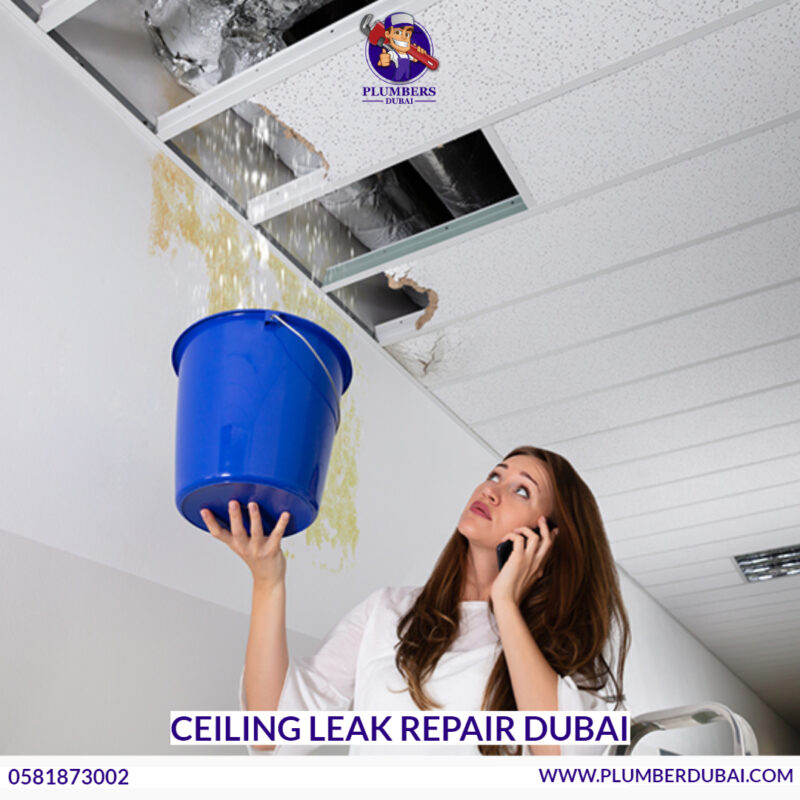
What to Do When You See Water Stains on Ceiling: A Complete Action Guide Finding discoloration in your ceiling can quickly raise a lot of alarm and concern. Understanding What to Do When You See Water Stains on Ceiling surfaces is vital in protecting your home and preventing extensive damages. These unsightly marks seldom appear for no reason; they usually are symptoms of an underlying moisture problem that needs immediate attention. Additionally, neglecting such warning signs may lead to structural damage, mold growth, and costly repairs that could otherwise have been prevented by taking fast action. Water stains on your ceiling manifest in a variety of different forms, from small yellowish spots to large brown patches with visible water rings. Each has a story to tell about the moisture problem at play in your property. Learning to read the signs and acting appropriately will go a long way in minimizing damage while protecting your family’s health and safety. Understanding Why Water Stains Appear on Ceilings Before taking any action, you must understand what the most common causes of ceiling water stains are. Understanding this helps you to fix the root problem rather than cover up the symptoms that are visibly present. Roof Leaks: Missing or damaged roof tiles allow rainwater in through the upper portions of a home. Accordingly, water passes through insulation and structural elements to show up as stains in ceilings. In many instances, a roof leak worsens during heavy rains or storms. Plumbing Issues: Leaks in piping behind walls or above ceilings contribute to lingering moisture problems. These are often due to corroded piping, loose connections, or damage to fixtures in bathrooms and kitchens on upper floors. HVAC System Issues: Condensation lines and air conditioning units will leak if their drainage systems become clogged or damaged. Poorly insulated ductwork will form condensation that will drip onto ceiling materials. Bathroom Water Damage: Overflowing bathtubs, faulty toilet seals, and shower pan leaks on upper floors often create unsightly ceiling stains in rooms below. These types of problems develop over time and usually go undetected until the discovery of staining. Immediate Steps: What to Do When You See Water Stains on the Ceiling When you first notice ceiling water stains, taking quick action helps prevent small problems from growing into huge disasters. Take the following immediate steps to safeguard your property and family. Safety First Water and electricity are a dangerous combination. As such, turn off electrical power to the room at your circuit breaker immediately. Also, do not touch light fixtures, ceiling fans, or electrical outlets around the stained area. If the ceiling seems to sag or bulge, leave the room immediately, as this is an imminent collapse hazard. Contain the Water Damage Set up buckets or containers to collect dripping water from the stained area. Next, relocate furniture, electronics, and other precious items out of the area of impact. Cover any remaining items with plastic sheeting to protect them against water damage. These emergency precautions help ensure minimal loss of property as you find a solution to this problem. Document the Damage Take clear photographs of the water stains from multiple angles. Also, take pictures of a visible water source, if any, and the surrounding areas. This serves as good proof for your insurance claims and also helps any professional to assess the situation from a distance. Record the date you first noticed the stains and note any changes in size or appearance. Seek Professional Help Water damage never repairs itself, and it only gets worse with time. That is why you will need to call in seasoned water leak detection professionals who accurately identify the problem and offer some workable solutions. Professional technicians have special equipment that can help them detect hidden leaks and assess damage extent beyond visible stains. Identifying the Source of Ceiling Water Stains Determining the origin of water requires an orderly investigation. Various stain characteristics give clues to the cause: Stain Color and Texture: New water leaks result in lighter-colored, yellowish stains with water rings that might be more visible. Old leaks leave behind brown stains that can be darker, possibly growing mold. Rusty or reddish stains may signify corroded pipes, and grayish stains indicate issues with concrete or structures. Stain Location: Stains directly beneath bathrooms are usually caused by plumbing fixtures or shower leaks. Stains near exterior walls commonly reflect roof leaks or exterior water penetration. Center ceiling stains might indicate air conditioning condensation or upper-floor plumbing issues. Stain Pattern: The presence of circular stains with defined edges most often denotes active leaks emanating from a specific source. In contrast, widespread staining over large areas of ceilings indicates problems associated with condensation or multiple leak sources. Stains that visibly grow during rainfall clearly point toward roof-related issues. What to Do When You See Water Stains on the Ceiling: Professional Assessment Detailed evaluation establishes the extent of water damage and dictates your course of action. It pinpoints whether you are dealing with a minor repair or an in-depth restoration job. Check for Active Leaks Gently touch the stained area to see if there is still moisture. If it’s active, dampness means there are current leaks that need urgent attention. On the other hand, dry stains could imply resolved leaks, though an investigation would still be needed to avoid recurrences. Professional Water Leak Detection Services While preliminary inspection helps in understanding the problem, professional leak detection services provide thorough diagnosis and effective solutions. Modern technology enables specialists to locate hidden leaks without destructive investigations. Thermal Imaging Technology: Infrared cameras detect variations in temperature caused by moisture behind ceiling materials. This noninvasive method shows leak locations and the extent of moisture without causing any damage to your property. Moisture Meters: These meters measure the water content of ceiling materials, walls, and insulation. Precise moisture readings help the professionals identify the extent of the damage and further guide them in monitoring the drying process. Acoustic Leak Detection: Specialized listening equipment amplifies sounds created by water

Leak Detection Technologies Used in Dubai

Leak Detection Technologies Used in Dubai
0 Comments

Leak Detection Technologies Used in Dubai: The Modern Way to Protect Your Property Advanced infrastructure and high-value properties in Dubai require nothing but the best plumbing maintenance and diagnostic services. To both homeowners and business managers, an undetected water leak remains a silent threat: it’s a cause for mounting utility bills, extensive property damage, and possible structural risks. Well, those days of destructive guesswork—tearing up the floors and knocking down walls to trace a leak—are gone, and the evolution of plumbing in the UAE means it’s time to rely on smart, non-invasive solutions. Therefore, understanding leak detection technologies used in Dubai is crucial for responsible property ownership here. At Plumber Dubai, we pride ourselves on delivering not just quick repairs but accurate, high-tech diagnoses. Our expert team has the required know-how and latest equipment to overcome challenges presented by concealed pipework, underground mains, and the modern construction styles throughout the Emirate. We use precision instruments to experience zero-disruption leak detection, hence assuring that the source of the problem is found rapidly, efficiently, and with the least fuss—which helps reinforce our credibility as your trusted plumbing partner. Leak Detection Technologies Used in Dubai: The Core of Non-Invasive Diagnostics Most of the plumbing lines in Dubai’s modern building environment are hidden behind beautiful finishes, under solid concrete slabs, or buried deep underground. The necessity here is to use specialized, non-destructive testing methods that can locate a leak without requiring major excavation or demolition. These save immense time, reducing repair costs by a great extent and preventing unnecessary damage to luxury finishes. Acoustic Leak Detection: Listening to the Whisper of a Leak Acoustic detection is among those foundational and most effective non-invasive leak detection methods. When water escapes a pressurized pipe, it generates a turbulent, high-frequency sound or “noise” at the leak point. Noise then travels along the pipe and through the surrounding material, such as soil, concrete, or walls. Ground microphones and listening sticks are the sophisticated equivalent of stethoscopes. A technician places the sensitive microphone on the surface directly above the suspected pipe run—on the ground, a slab, or a wall. The device amplifies the minute sound of the escaping water, enabling the technician to trace the pipe manually and pinpoint the loudest spot, hence the location of the burst pipe or pinhole leak. Leak Correlators: For underground pipes or lengthy main water lines, the correlator is the ultimate tool. Technicians place two or more highly sensitive sensors on existing access points, such as valves or hydrants, bracketing the suspected leak area. The leak noise travels at various speeds to each sensor. The correlator then processes the time difference—time-delay analysis—with advanced algorithms, calculating the exact distance of the leak from each sensor. This allows it to pinpoint a precise location even in difficult environments or extended pipe networks. This reduces the margin of error to mere centimeters. This technology enables Plumber Dubais technicians to precisely locate underground water leaks and hidden plumbing problems in complicated configurations without disrupting your home or business. Thermal Imaging (Infrared Thermography): Seeing the Invisible Dubai’s climate makes thermal imaging a very helpful diagnostic tool, especially for hot water system leaks, internal wall leaks, and leaks under flooring. Thermal imaging is done using highly sensitive infrared cameras that can detect subtle temperature changes on the surface. The Science: Water leaking from a pipe, be it cold or hot, cools or heats the material with which it comes into contact. For instance, a hot water leak beneath a floor slab produces a distinct thermal anomaly—a hot spot—on its surface. Similarly, a cold water leak produces a corresponding cold spot due to moisture intrusion. The camera captures this infrared radiation and displays it as a colorful heat map that distinctly contrasts with the surrounding temperature. Applications: Thermal cameras are indispensable in diagnosing hot water pipe leakages that are concealed, leaks behind bathroom tiled walls, and inter-floor seepage issues common in apartment towers. This technique quickly visualizes the path of the escaping water and saves extensive time that traditional methods waste in searching. The method is ideal for quick identification of unexplained dampness. Tracer Gas Detection: The Precise, Final Confirmation Tracer gas leak detection is employed for those leaks that are the most difficult to find: deep beneath the foundation-slab leak, within complex bundles of pipes, and inside swimming pool lines. This is an accurate, definitive test. The Process: We first drain the suspected pipe system, isolating the leak. Then we pressurize the empty line with a safe, nontoxic, lightweight, inert gas mixture (typically 95% nitrogen and 5% hydrogen). Hydrogen is the lightest molecule, which allows it to escape easily through even the tiniest pinhole leaks or microscopic cracks in the pipe material. Detection: The technicians make use of ultra-sensitive, calibrated gas-sniffing detectors that scan the surface above the pipe run—such as the floor, lawn, or wall. Because the gas immediately escapes through the exact leak point, the detector identifies a spike in hydrogen concentration, confirming the exact position of the leak. This technology ensures maximum accuracy, especially in complex or noisy commercial environments, where acoustic data can be challenging to interpret. Advanced Techniques and Continuous Monitoring: Leak Detection Technologies Used in Dubai Besides the core diagnostic technologies, Plumber Dubai offers other sophisticated techniques that deal with specific leak types and also ensure proactive protection against future damages. Pressure Testing and Diagnostic Meters This is the first quantitative step a technician takes in order to confirm the existence of a leak. The Method: We isolate a section of the water system and introduce highly calibrated pressure testing gauges. If the pipe is intact, the pressure reading remains steady over time. If a leak exists, the pressure gauge reading inevitably drops. Location Identification: Technicians locate the position of the leak by sectional testing of pipework in sequence. This information enables the selection of the appropriate non-intrusive technology—acoustic, thermal, or gas—to be used next, thus optimizing resource utilization. In addition, flow data analysis through smart water management solutions determines irregular patterns