Table of Contents
ToggleProfessional Drain Cleaning Service Dubai
Fast, Reliable & Affordable – 24/7 Emergency Services
Our plumbers are fully trained for inspecting and clearing the Drain Cleaning Service Dubai. No job is too big or too difficult for the Drain cleaning professional team. A clogged drain is a true emergency. So it has to be done fast and it has to be done right. Priority Plumbing & Drains do both at an extremely affordable price. We will also clear your residential house’s main drain using our standard drain machine. So, our expert plumbers have the proper equipment and expertise to solve any other clogged drain issue you may have. We’ll also do it fast; we’ll do it efficiently and leave the work area clean.
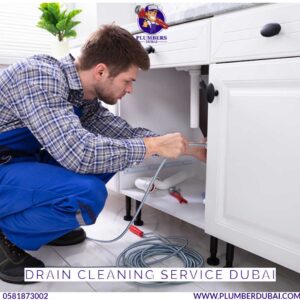
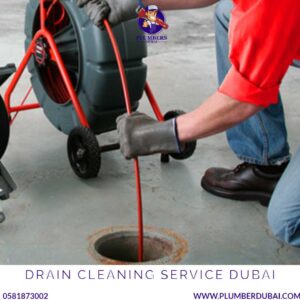
As a trusted provider of plumbing services in Dubai, Plumber Dubai is proud to offer high-quality drain-cleaning services to clients throughout the region. With a team of experienced professionals and a commitment to customer satisfaction, we are the go-to choice for anyone in need of reliable, effective drain cleaning services. Our team is well-versed in a wide range of drain issues, from simple clogs to more complex problems caused by damaged pipes or other underlying issues. We utilize the latest drain cleaning techniques and technologies to provide prompt, reliable service, including the use of high-pressure water jets and specialized cameras for pipe inspections.
- 24/7 Services
- Licensed & Insured
- 100% Satisfaction
Why Choose Our Drain Cleaning Service?
Professional drainage solutions with advanced equipment and experienced technicians across Dubai.
Fast Response
24/7 emergency service available. We respond quickly to your drain cleaning needs across all areas of Dubai.
Expert Technicians
Fully trained and certified professionals with years of experience in all types of drain cleaning
Affordable Pricing
Transparent pricing starting from 150 AED. No hidden charges, competitive rates for quality service.
Complete Solutions
From simple clogs to complex drainage issues, we handle everything with advanced equipment.
OUR DRAIN CLEANING SERVICES
BOOK YOUR REQUIRED SERVICE WITH PLUMBER DUBAI
Whether it is your sink, tub, toilet, or main sewer line, a clogged drain always brings things to a screeching. At best, you’ve got a fixture that you can’t use. At worst, you can’t use anything; no showers, no laundry, no dishes, no… well, you get the point. A clogged drain is not something you can wait on. You need fast professional service from Plumber Dubai you can depend on them to be there when you need them. When you’ve been fixing clogged drains in homes and businesses throughout Dubai for as long as we have. You know there is never just one solution to a problem. If your issue is as simple as a clogged tub, Plumber Dubai will provide you with a range of solutions. Our technician will educate you about your home’s plumbing, so you can understand how clogs happen and make the decision.


SOME DETAILS ABOUT DRAIN CLEANING
Drain cleaning service is an important service that is required at every single home or restaurant. Because some solid grease, oil, and soapy water and liquid make a solid blockage which completely blocks the flow of the drain line. Here we are going to discuss everything about Drain and its services. We will cover the following points:
What is a Drain?
A drain could be a primary vessel or passage for unwanted water or waste liquids to be flumed away, either to an additional helpful space, funneled into a receptacle, or run into sewers or stormwater mains as waste discharge to be discharged or processed.
What causes drain blockage?
Clogged drains are simply a part of the enjoyment of indoor plumbing. The great news is that you simply will troubleshoot the problems and stop them from happening once more, as well as chronic issues. However, to induce that, we’ll get into what causes drain clogs in the 1st place.
- Most bathroom drain clogs result when dirt, skin flakes, and especially hair bind to soap scum on the walls of drain pipes. Over time, this muck accumulates and reduces water flow.
- Clogged toilets are a nasty business. These chiefly happen when individuals attempt flushing down things that don’t dissolve or break apart in the water.
- Kitchen sink drains clog when cooking grease or oil cakes onto drainpipe walls. Add detergent soap scum and undissolved food particles (such as rice that expands in water), and you’ve got a stubborn, gunky clog.
- Venting allows air to enter the pipe as water drains away. Think of what happens after you place a straw into a glass of water. If you cover the open finish of the straw with your finger, you stop air from coming into the straw, which creates a vacuum. After you elevate the straw out of the glass, the water will not drain from the straw till you elevate your finger. Once enough air is coming into the vent, then water and waste can drain properly.
- Your restroom, for instance, can swirl and empty quickly once it’s flushed. However, if the emission does not let enough air in, then you would possibly hear the sink gurgle after you flush the restroom. Also, keep in mind that emission permits sewer gases to flee and prevents them from building to dangerous levels within your home.
How Many Types of Drains?
Surface drainage (natural system of drainage):
It may consist of open ditches that are laid out by eye judgment, leading from one wet spot to another and finally into a river.
- Open ditch drains: The format of ditches is normal. The tactic is to land on that, which includes a uniform slope.
- Field ditches: Field ditches for surface drains could also be either slim with nearly vertical aspects or formed with flat side slopes. Ditches have the benefit of being easier to cross with massive machinery.
- Narrow ditches: Slim ditches square measure most typical wherever massive farm machinery isn’t used.
Subsurface or underground drainage:
A subsurface or underground drainage will remove excess soil water. It percolates into themselves, just like open drains. These underground drains afford the great advantages that the surface of the field is not cut off, no waste of land, and do not interfere with farm operations. On the opposite hand, they’re expensive to lie and don’t seem to be effective in slowly semipermeable clay soils.
Underground drains may be classified as:
- Tile or pipe drain
- Box drains
- Rubble (coarse stones or gravels filled) drains
- Mole drains and
- Use of pumps for drainage.
How Many Types of Drain Cleaning?
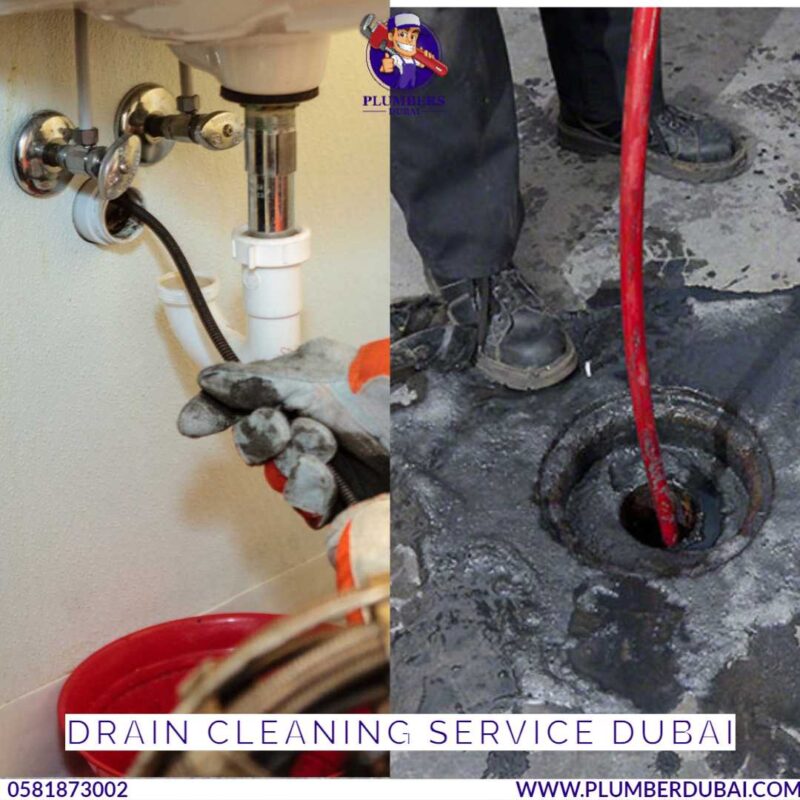
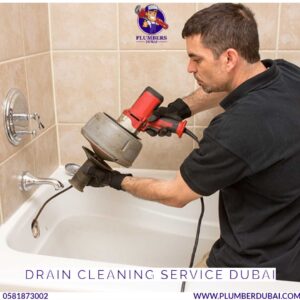
There are numerous strategies related to the cleansing of drains that are employed by skilled service suppliers.
- Drain Cabling
Drain cabling is additionally called “snaking,” and it includes the installation of an extended cable in the course of the system. The method is helpful in the review of drain pipelines through videos. Providing the cable assists in transporting the camera to varied sections of the emptying.
Underground line detection
This is another sewer main repair methodology that’s enclosed by drain technicians within the cleansing of drains as a service. It’s conducted for the leakage detection of the underground lines with the assistance of detector tools. The detectors generally come with an inductive signal transmission system that indicates that an underground line is present on an LCD display.
Video sewer inspection
It is the foremost essential phase of drain improvement that involves the mounting of tiny cameras over the cables running through waste pipelines and recognizing any obstruction inside the sewer. The digital display monitor is mundanely positioned in an exceeding van and used for witnessing waste flow within the pipeline. Plumbers can start working after the exact spot of obstruction is located and determined in the machine.
- Hydro jetting
It is the most common technique used by Bathroom drain cleaning Dubai by repair technicians for the cleaning up of drain systems. Whether it comes to storm drains, water jetting sewers, or rain drains, the effectuality of hydrojetting has been proven in clearing up obstructions in all such kinds of drains, irrespective of what reasonable size the pipeline comes with.
- Root Removal
The method needs the help of supremely skilled plumbers to avoid needless losses. The roots of trees are a typical issue with sewer lines, and lots of bathroom drain cleanup agencies facilitate taking away tree roots that have broken and entered the plumbing pipes.
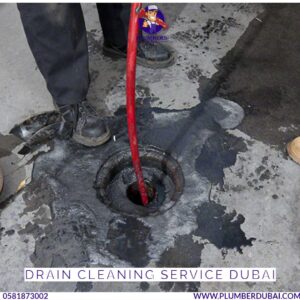
What Makes Plumber Dubai Best!
Plumber Dubai provides fast, reliable, and professional drain cleaning services to keep your home or office plumbing system running smoothly. Whether it’s a clogged sink, a slow shower drain, or a blocked toilet, our expert plumbers use advanced tools and eco-friendly methods to clear all types of drain issues. We handle indoor drains, outdoor drains, kitchen lines, bathroom blockages, and grease build-ups with precision. Our team also offers preventive maintenance to help you avoid future clogs and costly repairs. With quick response times, affordable pricing, and guaranteed results, Plumber Dubai ensures clean, odor-free, and fully functional drainage systems.
How To Clean The Drain by Yourself?

Boiling Water
Get a large pot and boil up as much water as it will hold. Now rigorously pour boiling water down the drain slowly, in 2 stages, in order that the recent water will work for a few minutes in between every pour. This is the simplest and fastest, thanks to a free drain if it works, which typically it will with a satisfying swish. Reach in. Remove the strainer that is part of the drain plug, then reach into the drain with your fingers (latex gloves would be a good idea here) and pull out any solids.

Wet-Dry Vacuum
If you've got one in all these, it simply would possibly facilitate your to clear the drain while not having to urge your hands dirty. First, set it to “wet” thus it vacuums liquids. cowl or shut the drain’s vent. build the tightest seal you'll be able to with the hose finish of the vacuum over the drain. Get inventive with adhesive tape or variety. With the vacuum set to its most powerful setting. It is powerful enough to drag that clog right out of the drain. No guarantees here, however, it’s value an endeavor.

Baking Soda & Vinegar.
Measure out 1/3 cup bicarbonate and acquire the maximum amount of it down the drain as you do. Follow with 1/3 cup white vinegar. It'll fizz up and create quite a show. permit it to take a seat for a minimum of AN hour. Or longer if in the slightest degree of potential. within the morning, followed by a quart or 2 of boiling water.
Checkout Our Latest Updates
8 Reasons Your Drain Keeps Clogging
8 Reasons Your Drain Keeps Clogging Is there anything more frustrating than a drain that just won’t stay clear? You try one solution, and it works for a week, only to find yourself ankle-deep in water again during your next shower. If you feel like you’re in a constant battle with your plumbing, you’re not alone. Understanding the root cause is the first step to a permanent fix. In the following discussion, let’s go into detail about the 8 reasons your drain keeps clogging and how you can prevent these pesky blockages for good. Meet the Hidden Culprits Behind Your Persistent Drain Problems A drain that’s sluggish or clogged is often more than a minor annoyance; it’s a symptom of a deeper problem. Sometimes we treat the symptom with a quick chemical fix, but without dealing with the real cause, the problem is sure to reappear. Fortunately, most recurring clogs happen for a handful of common reasons. Identifying yours is the key to freeing your pipes and your peace of mind. The Sneaky Build-up of Grease, Fat, and Oil You may think little of pouring liquid cooking oil down the drain, but this is arguably one of the 8 Reasons Your Drain Keeps Clogging. As the grease moves, it cools down and begins to solidify inside your pipes. In short, it attaches to the walls of the pipe like glue. This builds up over time, catching other food particles to create a thick, stubborn block that water cannot pass. Even if hot water and soap are used, the grease will eventually resolidify farther down the line where the water is colder. Hair: The Bathroom’s Number One Enemy In bathrooms, hair is the equivalent of kitchen grease. Every time we shower or brush our hair over a sink, strands go down the drain. Individually, they seem insignificant. However, hair binds together with soap scum and other sticky substances to form a dense, wool-like net that traps everything else. This matted mess is incredibly effective at stopping water flow and is notoriously difficult to dissolve with store-bought drain cleaners. Soap Scum and Hard Water Minerals Traditional bar soaps are themselves manufactured from fats or oils. When these combine with the minerals in hard water, they create a stubborn residue called soap scum. This scum can cling to your pipes and, much like grease, builds up layer upon layer to narrow the passage for water. Moreover, in the case of hard water, these mineral deposits can even show up as limescale accumulation on the walls of pipes. This drastically reduces the diameter of your drains and predisposes them toward blockages from other materials. Foreign Objects and Non-Flushable Items Toilets are designed for human waste and toilet paper only. Despite this, many items are routinely flushed that should never be. Wet wipes—even those labeled “flushable”—paper towels, feminine hygiene products, and dental floss are just a few such things that do not disintegrate like toilet paper but instead clump together and cause massive blockages deep in your sewer line. Similarly, in the kitchen, food scraps like coffee grounds and eggshells can quickly lead to a clogged drain. The Natural Intruders: Tree Roots This is a more severe issue, one that can cause recurring main sewer line clogs. Small cracks and loose joints in your underground pipes leak moisture and nutrients that thirsty tree roots find inviting. Those roots can penetrate the pipe, eventually growing and expanding until they create a living net of dense roots completely blocking the wastewater flow. This type of clog causes multiple drains in your home to back up simultaneously and requires professional intervention. A broken or collapsed pipe Older pipes, constructed of clay, cast iron, or Orangeburg, will eventually deteriorate and may even crack or collapse over time. Ground shifting, soil pressure, and corrosion can also cause such structural damage to pipes. Obviously, a collapsed pipe presents a total blockage that no amount of plunging or snaking could ever clear. A video pipe inspection is necessary if your home is of an older age and frequent, severe blockages are present to check the structural integrity of your plumbing lines. Incorrect Pipe Slope or Installation Gravity is used to carry water and waste away from your house through your drain pipes. They are designed to be installed at a certain angle, or “slope,” specifically so that everything moves smoothly. If the slope is too gentle, then water and material will move too slowly, and solids will be able to settle out and create a clog. If the slope is too steep, then the water will rush away too quickly, leaving the solids behind. Usually, this is a problem with the installation itself. The Silent Problem: Poor Venting Your plumbing system is not just about the pipes carrying water out; it also needs vents that allow air in. These vent pipes block the creation of a vacuum, allowing water and waste to move freely. Leaves, birds’ nests, and other debris can block a vent, disrupting the air pressure in the system. Immediately, you will hear gurgling sounds from your drains, and water will not drain as it should, as if there were a clog in the system. Tired of dealing with a clogged drain? We can help! As you can see, there are several different reasons your drain might keep clogging, and each requires the proper tools and expertise to solve. The simple toilet clog may be handled with a plunger, but it won’t correct a main line problem caused by tree roots or a collapsed pipe. This is where professional expertise plays an important role. At Plumber Dubai, we never just unclog your drain but diagnose the root cause of the problem. Our team makes use of advanced technology that includes video camera inspections to clearly view what is going on deep inside your pipes. This allows us to provide a permanent solution and not some temporary fix. Don’t allow a reoccurring clog to continue to impact your life any
How to Unblock a Kitchen Sink Safely
How to Unblock a Kitchen Sink Safely: your complete, no-fuss guide Few things can be as disruptive to household life as a blocked kitchen sink. The smelly water accumulation in the basin, not being able to wash dishes, and just the overall standstill of kitchen activities can spiral into a stressful situation pretty fast. Of course, the immediate urge would be to reach for the nearest strong chemical cleaner, but that tends to be the least safe and most deleterious option for your plumbing. This really informative guide from Plumber Dubai takes you through just how to unblock a kitchen sink safely, with simple methods that are highly effective, nontoxic, and protect both your pipes and your health. In case you are getting blockages regularly or suspect something more serious, remember that Plumber Dubai also covers the field of advanced water leak detection, and you can reach us directly on 0581873002. Why Kitchen Sinks Block: The Culprits Explained Before discussing how to safely unblock a kitchen sink, it is important to talk about why blockages occur in the first place. This will help you avoid future clogs and select the right method of unblocking. Most of the blockages in the kitchen sink result from the buildup of materials, which should never go down your drain. Grease and Oil (The Most Common Villain) When you run hot cooking oil, grease, or fat down the drain, it flows effortlessly. But as it cools in the pipe, it becomes solid and sticks to the wall of the pipe. As time passes, this tacky, wax-like layer catches other debris, and the water flow is grossly reduced over time until the drain completely stops. Cooking oil disposal is the number one cause of kitchen drain clogs. Food Scraps and Coffee Grounds Even with a garbage disposal, residual particles of food—particularly starchy foods like rice, pasta, or potato peels—can swell up when wet and create a dense obstruction. Coffee grounds, contrary to popular belief, are terrible for drains because they don’t dissolve and instead clump together into a solid mass. Soap Scum and Hard Water Minerals The detergents and bar soaps react with hard water minerals to form a gooey, insoluble residue called soap scum. This material coats the inside of the drainpipe and acts like a net, catching hair, grease, and food particles and hastening the blockage process. Foreign Objects Sometimes, minor objects such as broken glass, plastic packaging, or even the small metal ring from a bottle cap get dropped down the drain unintentionally and end up stuck in the P-trap or further down the main drainpipe. How to Safely Unblock a Kitchen Sink: A Step-by-Step Guide The severity of the blockage completely determines your approach. Always start with the most gentle of methods, proceeding only if that doesn’t work. This is a methodical way to make sure that you keep your plumbing intact and that you don’t cause more costly problems. Gentle Fixes: Your First Try These methods are the safest for your pipes and the environment, and they often resolve minor to moderate clogs caused by grease or food residue. Boiling Water Flush Boiling water is the easiest and safest fix for a slow drain or minor clog that is mainly composed of grease that has solidified. Action: Bail out any standing water in the sink, then boil a large pot—about 4-5 liters—of water. Caution: Do not try this if you have PVC pipes or an older porcelain sink, as extreme heat can cause damage. But for most modern kitchen sinks, that is okay. Application: Slowly pour the boiling water directly into the opening of the drain, allowing the heat to melt the grease. You may need to do this two or three times. Testing: Run the tap water to see if the drainage improves. The Baking Soda and Vinegar Volcano This is a classic, non-toxic remedy using a noncorrosive chemical reaction that safely breaks down mild clogs. The resulting foam is so gentle on your pipes yet very effective at dislodging debris. It’s an excellent natural alternative to using harsh chemical cleaners in your drains. Action: Pour approximately half a cup of baking soda directly down the clogged drain. Reaction: Follow the baking soda with half of a cup of white vinegar. It will immediately start to fizz and foam—this is the safe, clashing reaction that is doing the work. Wait Time: Immediately cover the drain opening with a stopper or a heavy cloth to direct the pressure downwards, allowing the solution to sit for at least 30 minutes or, even better, an hour. Flush: After that, carefully pour a kettle of really hot water—not necessarily boiling—down the drain and allow the loosened clog residue to flush out. Mechanical Repairs: When Gentle Won’t Work If the clog is stubborn, you need a safe mechanical action to push or pull the obstruction free. How to Safely Unblock the Kitchen Sink Using a Plunger A simple rubber sink plunger is one of the most effective tools at clearing a stubborn clog without damaging your plumbing. Plunging produces a powerful vacuum force. Preparation: Take out the sink strainer or basket. Fill the basin with enough water to completely cover the rubber cup of the plunger. If you have a double sink, block the other drain opening with a wet cloth or stopper to create a necessary seal. Plunging: Center the plunger over the opening of the drain, making sure there is a good seal. Plunge hard and fast for about 20-30 seconds, keeping the seal as best you can. Check: Lift the plunger up quickly. If the water rushes out, you’ve succeeded! Flush the drain with hot water to clear residual debris. Using a Plumbing Snake (Drain Auger) A plumbing snake—or drain auger—is a flexible coil of wire that you feed into the drain in order to dislodge or retrieve a clog that’s too far down for a plunger to reach. This tool requires care but is safe when used correctly. Snake Feeding:
Why Hair Causes Drain Blockages
Why Hair Causes Drain Blockages: The Science of the Shower Drain Disaster That frustrating sight of standing water pooling around your feet during a shower or a slow-draining sink often points to one major culprit: hair. Understanding why hair causes drain blockages is the first step toward effective prevention and maintaining the health of your plumbing system. Hair does not just pass freely through your pipes; it is a sticky, resilient component of a much larger obstruction that risks permanent drainage system damage and unpleasant odors. A hair-clogged drain is not just an inconvenience; it can increase internal pipe pressure, potentially masking or even initiating small drain cleaning issues down the line. Plumber Dubai provides comprehensive drain unblocking services, including advanced camera inspections and hydro-jetting, to clear even the most stubborn “fatbergs” from your system. Don’t let a simple clog escalate into a complex problem. For immediate relief and expert drain clearance, call us at 0581873002. Anatomy of the Hair Clog: It is not just hair. Some of the main reasons why hair blocks drains so effectively are their peculiar chemical and physical makeup that facilitate the formation of tenacious knots that attract other debris. The Sticky Trap: Soap Scum and Grease Hair itself seldom acts alone in clogging a drain. It needs a binding agent. Every time you shower, shampoo or condition, or wash your face, you are sending soap scum, beauty product residue, and body oils down the drain. The adhesion carries the residues of fats and oils that stick to the inner rough walls of the drainpipe. Hair strands, particularly the long type, fall down and find themselves stuck on this sticky, greasy coating in no time, acting like a net. Accumulation: As more hair strands and debris—such as sand, dirt, or tiny pieces of exfoliating beads—pass by, the tangled hair mass rapidly grows, creating a dense, fibrous obstruction. This process explains why hair blocks drains so effectively; it is the framework for the whole blockage. The Role of Hard Water and Limescale The water supply in Dubai usually contains a high content of minerals that contributes to making the clogs harder. Mineral Deposits: Once this hard water has evaporated or simply dried, limescale deposits—a crusty mineral buildup that coats the inside of the pipe walls—are the result. Setting the Clog: These mineral deposits combine with the soap scum and matted hair to, in effect, cement the soft materials into a hard, immovable mass that is known technically as a “fatberg” or an obstruction of the sewer system. The buildup greatly reduces the available flow area in the pipe, transforming what was a slow drain into a full-blown drainage blockage. Understanding the Mechanism: Why Hair Causes Blockages in Drains Over Time Hair is a particularly problematic issue because of its toughness and tendency to wrap and tangle, providing a skeleton that current techniques usually can’t dislodge. The Knotting Action of Hair Hair is a resilient protein (keratin) that doesn’t readily dissolve in water or in most cleaning solutions from around the house. Mechanical Binding: Long strands wrap tightly around any protrusion in the pipe; this is usually the crossbars of the drain stopper, the joints of the P-trap, or any rough patches on the walls of the pipe. This mechanical binding forms a complex net. Web Restriction to Flow: The web causes a major restriction to the flow of water, simply creating a bottleneck. As the water will back up behind the clog, the pressure forces more debris and hair to settle, reinforcing the drainage blockage in a continuous feedback loop. Where: The P-Trap That’s Vulnerable Most hair blockages happen in the U-shaped pipe under the sink or tub, also called the P-trap or U-bend. Purpose: The P-trap is designed to hold a small amount of water at the bottom to block sewer gas and foul odors from entering your home. But its curve also makes it the perfect collection point for sticky soap scum and hair. Difficulty of Access: The blockage is frustratingly persistent—the P-trap itself is accessible to professionals, but it usually sits too far down for simple manual removal, with an effective clean requiring some kind of specialty tool, such as a plumber’s snake or auger. The Sewer Gas Risk Organic matter, such as hair, skin cells, and oils, becomes entrapped within the clog and then undergoes decomposition within the warm, moist confines of the drain. Foul Odors: The decomposition process releases foul-smelling sewer gas back up through the opening of the drain. These persistent bad smells may not be dangerous but evidence a serious bacterial issue in the drainage blockage that needs complete cleaning and sanitation of your drain. The Ripple Effect: Risks of Ignoring a Hair Clog Ignoring a slow drain caused by hair leads to progressively worse problems, extending far beyond the immediate inconvenience. Increased Pipe Pressure and Water Leak Detection Risk A severe and long-lasting blockage of drainage causes a backup, which raises the static pressure inside the drainpipe. Stressed joints: Plumbing pipework is not designed to take pressure in the same way that main water supply lines are. This excess pressure puts stress on weak seals and joints, especially on older pipework. Hidden Damage: Over time, this stress can cause small leaks, making the drain not just blocked but also leaking water into the wall or floor cavity. While a separate issue, a drain blockage can mask a hidden plumbing leak or even trigger a minor one, turning a routine drain clearance job into a more invasive water leak detection and repair project. Mold Growth and Hygiene Concerns A blockage of the drainage that leads to standing water in either the shower or sink acts as an ideal breeding ground for bacteria, fungi, and mold growth. Health Hazards: This unmoving water becomes a hygiene concern and may contribute to the proliferation of harmful pathogens and spores in the bathroom environment. For a healthy home, professional drain unblocking services have to be used to get rid of this standing
Best Drain Cleaning Tips for Dubai Apartments
Discover the Best Drain Cleaning Tips for Dubai Apartments Living in an apartment in Dubai is vibrant, but suddenly an obstructed drain can ruin your day entirely. Be it a slow-draining kitchen sink or a shower that leaves one standing in water, plumbing issues are a universal headache. The unique conditions in the UAE, from hard water to common cooking habits, mean that some solutions just work better than others. In this guide, we will go through the very best drain cleaning tips for Dubai apartments, combining the easiest methods you can do yourself with crucial advice on when to call a professional. Let’s dive in and get your drains flowing as freely as possible! Why Dubai Apartment Drains Need Special Attention Before we present the solutions, let us take a look at some of the common plumbing enemies of Dubai. First is the extremely hard water in Dubai, with a high concentration of minerals such as calcium and magnesium. Such minerals accumulate inside the pipes, narrowing the width while trapping other elements. Secondly, heat and humidity accelerate the solidifying process of grease and oils. And lastly, due to our fast-paced lifestyle, we mostly seek quick fixes, although being informed of the right approach will help you save time, money, and a big headache later on. Your First Line of Defense: Preventive Drain Cleaning Habits The best drain cleaning tips for Dubai apartments always start with prevention. It is far easier and cheaper to stop a clog from forming than it is to fix one. Be a Grease Guardian: Never, ever pour cooking oil, fat, or greasy food scraps down the kitchen sink. Allow the grease to cool and harden in the pan, then wipe it out with a paper towel and throw it away with the trash. Use Strainers Religiously: Install high-quality sink strainers in every kitchen and bathroom drain. These very inexpensive tools catch hair, food particles, soap scum, and other debris before they enter your plumbing system. Flush with hot water: On a weekly basis, pour a kettle of boiling hot water down your kitchen drain, which helps melt and flush away any nascent grease buildup. For bathroom drains, run the hot water during showering to help minimize soap scum accumulation. Mind What You Flush: Toilets are designed for just two things: human waste and toilet paper. Even products labeled “flushable,” such as wipes, along with cotton balls, dental floss, and feminine hygiene products, can be major culprits for blockages. Do-It-Yourself Drain Cleaning Methods to Conquer the Toughest Clogs Here are a few simple, natural ways you can clear the problem yourself when one of your drains starts to slow down. These solutions are gentle on your pipes and the environment, making them a perfect first step. The Baking Soda and Vinegar Power Combo This is a classic, natural reaction that can dissolve minor organic blockages and deodorize your drains. Pour about half a cup of baking soda directly down the drain. Immediately follow it with a half cup of white vinegar. If you can, cover the drain opening; this will contain the fizzing action and build pressure. Allow the mixture to sit and work for at least 30 minutes, or even overnight for tougher clogs. Finally, use another pot of boiling hot water to flush the drain. The Simple yet Effective Plunger Never underestimate the power of a good plunger! For a sink, you’ll want to block the overflow hole with a wet rag to get good suction. Make sure there is enough water in the basin to cover the rubber cup of the plunger. Place the plunger over the drain and make vigorous downward and upward strokes about 10-15 times. Most often, this physical pressure can dislodge a clog sitting close to the surface. Mastering the Drain Snake or Auger For somewhat deeper clogs, you can use a handheld drain snake for excellent results, which is available at virtually all hardware stores. Slowly feed the flexible coil into the drain until you can feel resistance. Next, turn the handle in order to either hook onto or break up the obstruction. Carefully pull the snake back out, clean it off, and run hot water to flush the drain clear. What to Avoid: Drain Cleaning Mistakes That Cause More Harm In your quest to fix a clog, you might be tempted by quick fixes that can actually create much bigger problems. Here are the methods to avoid: Chemical Drain Cleaners: We strongly advise against using harsh chemical drain cleaners, especially in older Dubai apartment buildings. Not only will these corrosive liquids lead to damage to PVC pipes, causing leaks, but they are also harmful to the environment. Furthermore, in cases where they cannot clear the clog, they leave a dangerous, toxic situation for any professional plumber who may have to touch the pipes afterwards. Excessive use of physical force should be avoided when working with a plunger or snake. You could actually be damaging pipe joints or pushing the blockage further inside the system, where what might have been a simple fix becomes a more complex repair. When to Call a Professional: Beyond DIY Drain Cleaning Sometimes, one clog is in an area that is too deep, too severe, or even located in the main sewer line. Recognizing these situations is a crucial part of smart home maintenance. You should immediately call in a professional for drain cleaning services if: More than one drain is clogged simultaneously, such as your kitchen sink and toilet backing up. This shows there is a mainline blockage. Gurgling sounds are coming from your drains or toilet when you use other fixtures. Water backs up into a sink when you run the washing machine or flush a toilet. You’ve tried the above DIY methods, yet the clog remains. You may notice a bad sewage smell emanating from your drains, indicating that the vent pipe may be faulty or blocked. Why Plumber Dubai Is Your Partner for Clear Drains When your DIY
What to Do When Your Shower Drain Smells
What to Do When Your Shower Drain Smells: A Comprehensive Guide on How to Eliminate Foul Odors A shower is meant to be a place of cleanliness and relaxation, and nothing ruins an experience faster than stepping in only to be hit with a nasty, sewer-like odor. If you’re asking what to do when your shower drain smells, you are not alone. This common household problem is usually a sign of an underlying issue in your plumbing system. Plumber Dubai understands the urgency of this issue and provides expert solutions, from simple DIY fixes to professional Drain Cleaning Service Dubai. This comprehensive guide explores some of the common causes of foul drain smells and gives you safe, step-by-step instructions to eliminate them. If the stench still lingers, or you suspect a deeper problem, remember you can call Plumber Dubai at 0581873002 for immediate professional assistance. Understanding the Source: Why Does Your Shower Drain Smell? Before you can effectively treat the odor, you must diagnose the cause correctly. Most often, a smelly drain is a symptom of one of four primary plumbing issues. Understanding the various sources will point the way toward the right solution. The U-Trap/P-Trap Problem: Dryness and Evaporation Installed directly under the drain of every sink and shower is a U-shaped piece of pipe, known as a P-trap. The work of the P-trap is very important: it always holds a small amount of water. This water seal serves to block noxious sewer gases—such as methane and hydrogen sulfide—from making their way up the pipe and into your bathroom. Cause: If you have not taken a shower in quite some time, such as when you are away on vacation, the water in the P-trap will evaporate and break the seal. Once the water seal is broken, you immediately notice a strong, unpleasant sewer gas smell. The Biofilm Buildup: Hair and Soap Scum It is the most common cause of mild to moderate drain odors and is a characteristic musty, rotten egg type of smell. Cause: Hair, dead skin cells, and soap scum—which is a residue from body wash, shampoo, and conditioner—all go down the drain. This sticky, gunky mixture gets caught on the walls of the drain and strainer. Over time, bacteria feed on this organic material, creating a slimy, dark film called biofilm. As this bacteria-laden gunk decomposes, it releases foul odors. In most cases, this organic buildup causes a slow-draining shower before the smell is even noticeable. Vent Pipe Issues: Negative Pressure Plumbing systems use a vent pipe, usually through your roof, which helps to balance the air pressure inside your drainage pipes and prevents any siphon effect from occurring. Cause: If the vent pipe becomes obstructed—which it often does by leaves, bird nests, or other debris—the air pressure cannot equalize. This may lead to the siphoning of water out of the P-trap when water is drained elsewhere (for example, by a flushing toilet), losing the trap seal and resulting in sewer odor. Sewer Line or Septic Issues: Serious Backups In rare but serious occasions, the smell may emanate from a problem with the main sewer line. Cause: If your main sewer line is partially or completely clogged, the wastewater can’t flow away properly. The sewage gases back up through the pipes, and you might notice odors in other drains, such as the toilet or basement sink, too. This calls for immediate professional attention. Step-by-Step Solutions: What to Do When Your Shower Drain Smells Now that we have identified the sources, we can apply the appropriate safe and effective non-jargon solutions. Always begin with the simplest fix and proceed only when necessary. The P-Trap and Biofilm Solutions These initial steps handle the vast majority of shower drain odor problems that are caused by either dryness or simple organic buildup. Restore the P-Trap Water Seal If you suspect the drain is dry, then the remedy is rather straightforward. Action: Run the hottest water you can safely get from your shower for about two to three minutes. Goal: This merely refills the P-trap; it replenishes the water seal in the pipe, stopping sewer gases. If the odor is gone right away, you have fixed the problem. Manual Hair and Sludge Removal (The Safest Starting Point) You must manually remove as much of the physical blockage as possible before pouring anything down the drain, since this is where the foul-smelling bacteria live. Tools: Wear gloves. Use either a basic wire hanger straightened out with a small hook on the end or, better still, a plastic drain snake designed for that purpose. Action: Gently insert the tool into the drain opening and fish around, trying to hook the accumulated hair clogs and soap sludge. When you grasp a portion of this gunk, slowly pull it out and discard it into the garbage—not the toilet. Advantage: You are physically removing the source of nutrition for the odor-causing bacteria. The Natural Deodorizer Flush: Baking Soda and Vinegar Chemical drain cleaners are corrosive, dangerous, and often only pass through a clog without fully dissolving the odor-causing film. A natural solution is safer and more effective for biofilm removal. Action: Pour one cup of baking soda directly down the clean drain opening. Reaction: Immediately follow with one cup of white vinegar. It will fizz and foam—a nontoxic reaction that physically scrubs the inside of the pipe walls. Wait time: Let this mixture stay put for at least 30 to 60 minutes. The longer you let it sit, the better and more efficiently it works to break down biofilm. Flush: Follow up with a kettle of very hot water slowly to wash the residue away, but not boiling, as boiling water can destroy the seals of a PVC pipe. This is an excellent maintenance thing to do for your drains. Releasing Deeper Blockages If the odor is not cleared by these simple methods, then the blockage is deeper and requires a mechanical action to dislodge the material, which fully addresses the question of what to
How to Prevent Grease Buildup in Drains
How to Prevent Grease Buildup in Drains: Your Guide to Clog-Free Kitchen Plumbing The kitchen sink is the most used drain in any home, constantly subjected to food particles, oils, and detergents. Over time, these apparently harmless residues harden to produce stubborn blockages. Learning how to prevent grease buildup in drains is the single most important step you can take to protect your plumbing system from severe, costly damage. Grease, fat, and oils are the source of nearly all persistent kitchen drainage blockages. These clogs don’t just slow your water flow; they trap food debris, accelerate pipe corrosion, and can ultimately cause major system backups. Plumber Dubai are professionals who provide proactive and responsive Drain Cleaning Dubai services that feature advanced techniques like hydro-jetting to completely eliminate FOG clogs, including those that other firms can’t touch. Don’t wait until the blockage brings your kitchen to a stop. With so much at risk, contact us now at 0581873002 for expert drain maintenance or a reliable drain clearance. The Science of the “Fatberg”—Why Grease Solidifies To better understand how to prevent grease buildup in drains, one must first understand the mechanism of how grease causes clogs. Grease doesn’t just simply wash away; it chemically reacts and hardens into a major drainage system problem. The Chemistry of Solidification Grease and oil are liquid when hot, but as they move down the kitchen drain, they rapidly cool down by coming into contact with cooler pipe walls and cold water. Cooling and Adhesion: The FOG, as it cools, returns to a viscous or solid state. This sticky, newly hardened layer adheres immediately to the rough inner surface of the pipework. Saponification Reaction: More dangerously, in the case of grease combining with mineral deposits emanating from hard water and the chemicals found in detergents and soaps, the process is called saponification. This reaction creates a soap-like, cement-hard substance known as a “fatberg.” This resilient material is virtually impossible to remove with household chemicals alone. The Buildup Zone: The U-Bend and Beyond Grease clogs typically build up in particular, sensitive areas of your drainage system. The P-Trap (U-Bend): Similar to hair clogs, this U-shaped P-trap under the sink is the first major collection point. The bend of the curve slows the water flow, allowing FOG time to cool and solidify right there at the lowest point. Horizontal Lines: Grease also accumulates rapidly in long horizontal drain lines where the water flow is slow and less turbulent, resulting in progressive blockage of the pipe deep within the structure. Proactive Kitchen Prevention Strategies Effective drain maintenance requires consistent habits in the kitchen. If you want a surefire answer to how to prevent grease buildup in drains, consider these strategies: Scraping Is King—Keep FOG Out The single most effective preventative measure is ensuring FOG never enters your kitchen drain in the first place. Wipe, Don’t Wash: Always use paper towels or old newspaper to wipe out residual cooking oil, fat, and food waste from pots, pans, and plates before rinsing. Dispose of these materials in the trash. Collect and Contain: Pour used cooking oil, such as deep-frying oil, into a sealable container, such as a plastic bottle or jar. When cool and hardened, dispose of the entire container in the regular trash. Proper Use of the Garbage Disposal Most homeowners believe that FOG and fibrous food waste are supposed to be disposed of via the garbage disposal. No Grease or Coffee Grounds: Never pour grease, fat, oil, or highly fibrous materials—as in banana peels, coffee grounds, or eggshell fragments—down the disposal. The grease coats the blades and reduces effectiveness, and the coffee grounds and fibers combine with the grease to form an exceptionally tough sewer system blockage. Running Cold Water: Whenever using the disposal for minimal food waste, one should always run a strong stream of cold water for at least 30 seconds after the unit finishes grinding to ensure all particles are fully flushed through the P-trap and into the main drainage system. Regular Flushing and Cleaning Simple, regular cleaning helps manage minimal residue before it solidifies into a pipe blockage. Hot Water Rinse: Pour a kettle of hot water down the drain each week to melt away and clear a small amount of settled grease and soap scum. Natural Cleaning: Apply baking soda followed by vinegar. The mixture creates a soft bubbling action that helps dislodge light, sticky residue from the pipe walls, safely and chemical-free, promoting ongoing drain clearance. Risks and Consequences of Ignoring Grease Build-up The main risks to the integrity and hygiene of your property come with severe blockages caused by solidified grease. Accelerated Pipe Corrosion and Structural Damage Grease clogs trap the acidic food waste particles and moisture directly against the pipe walls. Erosion: The trapped acidity, coupled with the constant presence of solid wastes, hastens the normally slow process of pipe corrosion, especially in older metal pipework. Such erosion can result in early pipe failure and requirements for costly plumbing repair. Backflow and Flooding: In the case of a complete blockage of drainage, wastewater will have nowhere to go but back up through sink or dishwasher connections, causing a contaminated kitchen flood that leads to structural damage to cabinets and floors. Clogging of the Sewer System and Unpleasant Odors Grease blockages tend to develop into major problems with the whole drainage system. The Stench: As the entrapped grease and food particles rot, they generate foul-smelling gases, causing chronic odors in the kitchen that chemical products cannot eliminate. Municipal Issues: Large “fatbergs” in commercial buildings or large residential compounds can create obstructions in the sewer system, impacting multiple units and resulting in expensive and complicated municipal drain-clearing operations. Masking Other Problems Usually, a chronic grease clog slows the drainage so much that it masks an underlying issue, like a partially collapsed drain line or a failure in the main sewer pipe. Professional drain cleaning and inspection here in Dubai are necessary to rule out these major threats. When Prevention Fails: Professional Drain Cleaning
Benefits of Regular Drain Cleaning
The Unbeatable Benefits of Regular Drain Cleaning for Your Home Let’s face it: most of us never think about the drains in our homes until there is a problem. It’s usually a slow-draining sink or a foul odor wafting up from the shower that gives us our first inkling something might be wrong. But what if you could avoid such disagreeable surprises altogether? The key is proactive maintenance. Understanding the powerful benefits of regular drain cleaning can save you from a world of hassle, expense, and inconvenience. It is not just about how to fix a current clog; it’s about saving yourself from future disasters and protecting the integrity of your whole plumbing system. This simple, often overlooked home-care task is one of the smartest investments you can make in your property’s health and your own peace of mind. More Than Just a Quick Fix: What Regular Drain Cleaning Truly Means People often confuse routine drain cleaning with emergency unclogging. They are not the same thing. Emergency unclogging is a reactive service that one needs when a drain has already completely blocked. In contrast, routine drain cleaning is a proactive maintenance strategy. It periodically flushes your pipes with professional-grade equipment, like hydro-jetters, to remove the sticky buildup of grease, soap scum, hair, and mineral deposits before they can form a solid blockage. It is this preventative approach that unlocks the most significant long-term benefits of routine drain cleaning. The Top Benefit: Preventing Costly Plumbing Emergencies This is the most immediate and compelling advantage. A small, slow-draining sink might seem like a minor annoyance, but it’s often the first sign that a major blockage is forming deep within your pipes. If you ignore it, that partial clog can grow until it causes a complete backup. You suddenly face a flooded bathroom, a malfunctioning washing machine, or raw sewage backing up into your home. These emergencies require immediate and usually very costly emergency plumbing services. By scheduling routine drain maintenance, you eliminate the conditions causing these nightmares; in other words, you effectively pay a small, predictable cost now to avoid a massive, stressful bill later. Eliminate Foul Odors for a Fresher Home Or maybe you’ve encountered that unpleasant, musty smell emanating from a drain? That smell is more than just annoying; it’s a sign that some organic material is decaying, stuck to your pipe walls. Particles of food, hair, soap residue, and other kinds of gunk build up and start rotting inside your plumbing, giving off terrible smells into your home. Standard cleaning might eliminate the odor for some time, but it won’t take out the source. Professional drain cleaning scours the pipes completely, washing away this biofilm and sludge. Consequently, one of the most striking benefits of professional drain cleaning is a fresher, cleaner-smelling house. Protect Your Pipes from Damage & Corrosion What most homeowners do not realize is that, beyond just being blockages, clogs are corrosive agents. The grease, soap, hair, and food waste mixed in create a highly acidic, sludgy environment that eats away at your pipes over time—especially if your house has older metal plumbing. Plus, the repeated use of harsh chemical drain cleaners hastens this corrosion, which weakens pipes and causes leaks. Regular hydro-jetting removes this damaging sludge without using corrosive chemicals, hence prolonging the life of your entire plumbing system. Such protection is a vital part of responsible home ownership. The Ripple Effect: How Clean Drains Improve Your Daily Life But the benefits of this simple maintenance task extend a great deal further than the pipes in your walls. They directly have a positive impact on your everyday living environment and even your health. Ensuring Faster Drainage and Peak Performance There is nothing quite as frustrating as standing in an inch of water during a shower, simply because the drain can’t keep up. A slow drain is a symptom of buildup, and it messes with your daily routine. Once a professional cleaning is done, you will immediately feel the difference. Water will whisk away instantly, sinks will fill and empty with rapid speed, and your toilets will flush with powerful efficiency. This restoration to optimal performance is one of the most satisfying quality-of-life improvements you can experience. Creating a Healthier Living Environment The stagnant water in clogged pipes creates a harbor for dangerous bacteria and mold. These microorganisms can easily become airborne and may trigger allergies and respiratory issues, such as asthma, in children and the elderly. By keeping your drains clean and free of decaying waste, you are actively minimizing the presence of these allergens and pathogens in your home. Thus, the health benefits from regular drain maintenance contribute directly to the good health of all your family members. Contributing to a Healthy Community and Environment Your home’s drains don’t exist in a vacuum; they connect with the greater municipal sewer system. Severe household drain blockages increase the risk of sewage overflows that can damage public infrastructure and harm the local environment. Your private line maintenance goes toward preventing blockages in the public system. Additionally, professional cleaning methods like hydro jetting are eco-friendly, using just high-pressure water instead of toxic chemicals that can seep into the groundwater. Your Action Plan: How to Reap the Benefits of Regular Drain Cleaning Now that you understand the “why,” let’s talk about the “how.” Incorporating a drain care routine is simple and very effective. Schedule Professional Cleanings: For the average household, we recommend a professional drain cleaning service once every 18 to 24 months. However, if you have a large family, older plumbing, or known issues with tree roots, an annual service might be more appropriate. Practice Good Drain Habits: Be kind to your drains in between professional cleanings. Avoid pouring grease or coffee grounds down the kitchen sink, put hair catchers in shower drains, and only flush human waste and toilet paper. Choose the Right Service Provider: Employ the services of a licensed and insured plumbing company. They are properly equipped with the right tools, such as
Top Tools Used for Drain Jetting
Top Tools Used for Drain Jetting: The Professional’s Arsenal in Drain Cleaning Dubai A severely clogged drain is more than just an inconvenience; it can pose a serious health risk and potentially damage your property. While home remedies, like plungers and chemical cleaners, offer quick fixes for minor blockages, they cannot handle the deep-seated, hardened clogs, root intrusions, or heavy grease buildup that often affect main sewer lines. It’s here where high-pressure drain jetting takes over, popularly known as hydro-jetting. Drain jetting represents the most advanced and thorough method available for residential and commercial pipe cleaning. Plumber Dubai offers professional drain cleaning Dubai services and uses specifically developed equipment to perform this powerful cleaning. If you are experiencing recurring blockages or suspect a serious sewer line problem, understanding the top tools used for drain jetting is the first step toward permanent elimination. For immediate professional service, call Plumber Dubai at 0581873002. The Power of Pressure: What is Drain Jetting? Drain jetting is the process of blasting water at extremely high pressures, often in a range from 1,500 PSI up to 4,000 PSI or more, through a flexible hose and with a special nozzle, which plumbers feed directly into your drainage system. The force of the water stream is strong enough to completely obliterate scale that has hardened, flush out years of built-up grease, cut through tree roots that are stubborn, and any other debris restricting flow. Unlike the traditional drain snaking that merely pokes a hole through the clog, drain jetting cleans the whole internal circumference of the pipe, leaving it functioning like new. It is an essential component of professional sewer line cleaning and maintenance. The Core Component: The Hydro-Jetting Machine The hydro-jetting machine is the main tool in this process, which itself is a complex system created with power and precision in mind. This piece of equipment is far more sophisticated than a simple pressure washer. The High-Pressure Water Pump This is the heart of the system—a pump that draws water from a large tank or directly from a water source and pressurizes it to the thousands of pounds per square inch required to break down dense materials. Functionality: The modern pumps can be accurately regulated in terms of pressure and flow rate by technicians. They adjust the settings based on the size, age, and material of the pipe they are cleaning. For example, older or more fragile pipes require a lower PSI to prevent damage, while severe main sewer clogs need maximum pressure. Expert technicians at Plumber Dubai will always balance the integrity of your plumbing system with maximum cleaning power. The Water Reservoir or Tank Commercial hydro-jetting units need a constant, high-volume water supply to function. Necessity: The reservoir ensures a constant flow rate, measured in GPM (gallons per minute), which is equally important as pressure (PSI). Volume of water flushes the dislodged debris completely out of the pipe and into the sewer system; otherwise, it would settle down and cause a fresh blockage further down. High-Strength Jetting Hose The hose also needs to be strong enough to bear the high pressure imparted by the pump while still being sufficiently flexible to accommodate the twists and turns in a drainage system. Design: Hoses are usually made from durable high-density materials, with variable lengths and diameters to undertake various jobs—from residential drainage pipes to large commercial sewer mains. Quality hoses are important in ensuring safety and efficiency. The Precision Arsenal: Top Tools Used for Drain Jetting Nozzles Arguably, the nozzle is the most important part of the whole operation: it dictates the direction, pattern, and intensity of the stream of water, enabling the technician to carry out extremely specialized cleaning tasks. Different clogs require different nozzles; hence, a primary skill in professional drain cleaning is nozzle selection. Penetrating Nozzles (The Clog Breakers) These nozzles have one strong, narrow, forward-facing jet and several rear-facing ones. Action: The strong forward jet pierces directly into the densest part of the blockage—such as a solid mass of grease or a silt plug—to break the obstruction apart. The rear-facing jets provide propulsion, pulling the hose deeper into the pipe, and at the same time flushing the debris backward out of the line. Radial Jetting Nozzles (The Wall Cleaners) The radial nozzles have multiple rear-facing jets angled in a particular pattern. They do not possess any strong forward jet. These are the essential tools that clean the internal walls of the pipe once the initial blockage has been broken. The multi-directional, forceful water streams scrape away accumulated soap scum, fat, oil, and grease deposits, and biofilm that has built up over many years in order to restore the full diameter and flow capability of the pipe. Rotating Nozzles (The Scourge of Hard Deposits) These nozzles use water pressure to spin a small head with multiple jets. Action: They are excellent for descaling and breaking up mineral deposits, cement residue, or heavy sediment. Rotation ensures that the cleaning covers 360 degrees of the pipe wall and delivers an intense scouring action that stationary jets cannot. Plumber Dubai uses these in maintenance cleaning and against limescale buildup common in hard water areas. Root Cutting Nozzles—The Tree Root Eliminator A plain jet is not sufficient where infiltration of sewer lines by tree roots has occurred. These special attachments use high-pressure water and internal rotary knives or blades, powered hydraulically by the water flow. They cut and shred tree roots into small pieces, and the hydro jetting water stream flushes the debris away. Professionals rely on them to maintain the structural integrity of your sewer line. Advanced Technology: Diagnostic and Safety Tools A professional Dubai drain cleaning service does not start or finish with just the jetting machine. Experts use precision and advanced diagnostic tools to locate the problem and ensure they complete the job safely and efficiently. CCTV Drain Inspection Cameras: The Eyes of the Plumber The small, waterproof cameras attached to flexible rods are fed into the pipe before and after the jetting process.
How to Fix Slow Drains at Home
How to Fix Slow Drains at Home: A Complete DIY and Expert Guide The slow drain is more than a minor nuisance; it is a serious warning that a major blockage of the drainage system is in the building stages deep within your plumbing system. Whether the issue is a sluggish kitchen sink that does not handle grease well or the pooling of water on the shower floor caused by matted hair, resolving the issue quickly will help to prevent costly structural damage and unsanitary backups. Knowing how to fix slow drains at home requires an understanding of the nature of the clog and choosing the right solution, from simple DIY methods to advanced professional techniques. Though many slow drains can be remedied with immediate action, a chronic or severe clog necessitates the kind of specific expertise and equipment provided by professional Drain Cleaning Dubai services. Plumber Dubai offers fast and efficient drain unblocking for homes and businesses. For permanent drain clearance and expert advice, call us at 0581873002 today. The Root Cause: Why Drains Slow Down Before homeowners can begin any repair, they need to understand why pipes clog. Very rarely will pipes block overnight; it is the result of progressive material buildup over time that drastically reduces the pipe’s internal diameter. Kitchen Clogs: The FOG Threat The kitchen sink is the battleground for FOG: fats, oils, and grease—the primary contributors to hard, stubborn pipe blockage. Solidification: Hot grease solidifies when it cools down. It solidifies rather fast inside the P-trap and horizontal drain lines. This sticky layer attracts food waste, coffee grounds, and detergent residue. Hard Water: The hard water in Dubai contains minerals that combine with the grease and soap scum, forming a rock-hard mass that is usually called a “fatberg” because it is extremely resistant to simple flushing. Bathroom Clogs: Hair and Soap Scum The bathroom drains—sinks and showers—have to face yet another, equally stubborn composition of clogs. Hair Webs: Hair strands grasp onto the drain crossbars and the rough pipe walls. Soap scum, or a deposit of soap residue and minerals, ties the hair together into a matted, fibrous plug that is particularly effective at causing a severe drainage system problem. Beauty Products: Some beauty products, such as conditioners, face scrubs, and body oils, are thick and viscous, also contributing to the sticky residue that traps hair and causes slow flow. Sewer System Issues When multiple drains are running slowly at the same time, the problem is usually not localized within a single fixture but deeper in the main sewer pipe or drainage line leading out to the municipality. These severe drainage blockages call for expert diagnosis and high-powered equipment. Easy DIY Methods for Isolated Slow Drains For isolated, moderately slow drains, relief can often be accomplished quickly by homeowners using simple, non-corrosive methods. The Boiling Water Flush This works best on minor kitchen clogs, such as those caused by grease buildups and soap scum. The Process: Put a full kettle of water on to boil. Take off the drain cover and slowly pour the boiling water directly down the drain. The heat helps melt the solidified grease and turns it into a liquid so it can move further down the pipe where it is less likely to settle. Frequency: Do this once a week to prevent your kitchen drain from creating a blockage in your pipe in the future. The Vinegar and Baking Soda Combination This safe, nontoxic chemical reaction helps dislodge minor sticky buildup. The Process: Pour a cup of baking soda down the drain, followed by a cup of white vinegar all at once. The fizzing reaction that occurs is what scrubs the interior pipe walls. Let this mixture sit for the next 30 minutes to an hour, after which you flush it well with hot water. Advantages: This is very effective for early soap scum buildup in a bathroom sink without the danger of pipe corrosion from strong commercial chemical cleansers. The Plunger Technique Standard cup plungers create enough pressure to dislodge small clogs near the opening of the drain. How to Do It: Make sure the overflow opening—especially in sinks—is sealed with a wet cloth or some kind of tape for maximum suction. Plunge strongly for 20 seconds. This on/off pressure often will dislodge a sticky hairball or soft food-waste clog and get things flowing again. Tool Upgrades for Tenacious Clogs When the use of DIY liquids and simple plunging fails, you need to upgrade your tools for a more hands-on battle against the obstruction. This is usually where knowing how to fix slow drains at home requires a trip to the hardware store. The Power of the Drain Snake (Auger) The best manual tool for physical removal, especially of that dreaded hair clog, is a flexible drain snake—also known as an auger. The Process: Carefully feed the snake down the drain, gently maneuvering it through the P-trap. When you feel resistance, rotate the snake handle to hook onto the clog. Slowly and steadily pull the entire mass—usually matted hair and soap scum—out of the drain line. Safety Tip: Be careful; aggressive snaking could scratch up porcelain fixtures or ruin old, brittle pipework. The Wire Hanger Method For shallow, visible hair clogs in a bathroom sink or shower, a straightened wire coat hanger with a small hook fashioned at the end can provide quick relief. How it’s done: Carefully fish the hooked end down the drain, rotating it slightly to snag the visible hair mass. This works when the clog is right at the surface or even at crossbars. When to Call the Professionals for Drain Cleaning in Dubai If you have tried the above methods and the drain is still slow, or if multiple fixtures are backing up, the problem is beyond DIY capabilities. At this stage, you risk causing costly plumbing repair damage by continuing with home methods. Signs That Require Professional Help Multiple Slow Drains: A problem affecting the sink, shower, and toilet points to a
Common Causes of Sewer Backup in Dubai
Common Causes of Sewer Backup in Dubai Sewer problems get out of hand for homeowners and companies when they seemingly strike without warning. Since sewer lines are buried underground, the issues often go unnoticed until water starts backing up into drains, sinks, or toilets. That’s why it’s important to understand common causes of sewer backup in Dubai for every property owner. Plumber Dubai helps you stay prepared, avoid unnecessary damage, and maintain a clean and healthy drainage system. You can call 0581873002 immediately for professional drain cleaning and sewer inspection services. Although Dubai’s drainage systems are modern, they still remain susceptible to some problems because of environmental factors, usage patterns, and the rapid construction pace across the city. No one really expects sewage to back up into their homes or businesses, but these events occur far more often than most people think. However, once you understand why backups occur, you can take the first step in preventing costly repairs and serious health hazards. Below, Plumber Dubai explains the leading reasons behind sewer line failures and expert recommendations that help you keep your plumbing system safe, efficient, and long-lasting. Common Causes of Sewer Backup in Dubai You Should Know Dubai is growing rapidly, and every year, there is added pressure on the underground drainage systems. Because of this, one needs always to be aware of the common causes of sewer backup, especially if you reside in a villa, apartment, or commercial building. By knowing what causes backups, one reacts faster and prevents severe damage to your floors, walls, and pipes. Following are the most common causes of sewer obstruction in the city. Common Causes of Sewer Backup in Dubai: Fat, Grease, and Food Waste in Drains One of the most common causes of drainage issues arises from incorrect disposal of cooking fat, grease, and food residue. The majority of property owners drain oils down the sink, most likely thinking that hot water will carry them through. Once the grease cools inside the sewer line, it solidifies and clings to the pipe walls. Over time, this grease forms a thick layer, catching food particles and reducing wastewater flow. Eventually, the pipe becomes so clogged that sewage returns to your kitchen sink or into the drain lines. This situation spreads foul odors and increases the risk of bacterial contamination. Plumber Dubai always advises against draining grease through the sink and instead having it disposed of in sealed containers. Regular cleaning of drains prevents the buildup from getting serious. Tree Roots Entering Sewer Lines Landscaping in Dubai continues to grow, especially around villas and gated communities. While trees offer shade and enhance the outdoors, their roots naturally seek out sources of moisture. Because sewer lines carry warm wastewater, they attract roots. These roots enter through small cracks or loose joints within underground pipes. Once inside, they expand, absorb water, and block the entire sewer line. Quite often, roots break the structure of the pipe and cause major leaks underground. Signs of root intrusion include slow drainage, unusual gurgling sounds, foul smells from floor drains, and patches of wet soil in the garden. When these symptoms are noticed, calling Plumber Dubai immediately at 0581873002 helps prevent expensive repairs. Heavy Rainfall and Stormwater Overload Although Dubai receives limited rainfall throughout the year, sudden storms at times put excessive pressure on sewer networks. During heavy rain, stormwater enters the drainage system, and because older sewer lines cannot handle the large volume, wastewater flows backward into bathrooms and kitchens. The problem commonly occurs in older communities or buildings without proper backflow prevention devices. Infiltration by stormwater not only causes sewer backups but also deteriorates pipe joints and encourages future leaks. Therefore, Plumber Dubai recommends installing backflow valves and ensuring that your drainage system remains free from debris. When the system operates smoothly, it manages sudden water flow without overwhelming your sewer line. Clogged or Damaged Drainage Pipes Clogged sewer lines are still the major causes of backups in residential and commercial areas in Dubai. Soap residue, hair, wet wipes, sanitary products, tissues, and construction debris accumulate inside the pipes with the passage of time. These materials do not decompose and hence restrict water flow until the line is completely blocked. Moreover, construction events around Dubai accidentally damage underground sewer pipes. This allows the entrance of sand, soil, and debris into the pipeline. The blockage worsens, and wastewater returns to your property. Plumber Dubai finds that most sewer backups result from a structural collapse, corrosion, and misaligned pipes. These problems are hidden from view, but our professional sewer camera inspection quickly identifies the problem and unclogs the waterways back to normal flow. Incorrect Plumbing Installations Backups sometimes occur with improper installation practices during construction or renovation. If a plumber installs pipes at the wrong slope, wastewater cannot flow smoothly. Instead, it collects in low points and eventually backs up through the drains. Additional factors that contribute to blockages include the use of undersized pipes and faulty connection of several drains. Since Dubai is a fast-growing city, most buildings are affected by hurried installations or poor-quality plumbing materials. At Plumber Dubai, emphasis is placed on quality setup that meets Dubai Municipality standards for proper slope in the piping, durable joints, and proper sewer venting to keep the water flowing in the right direction. Flushing Non-Flushable Items Although toilets apparently are designed to handle small waste items, many people flush products that do not dissolve. Wet wipes, cotton pads, diapers, paper towels, and sanitary napkins expand inside the sewer line. As a result, they accumulate inside the pipe and eventually cause severe blockages. When these combine with soap scum and hair, they become a solid mass that restricts the entire line. Once the pipe fills completely, wastewater returns to the toilet bowl. This is best avoided by getting rid of such products through the waste bin. Plumber Dubai also recommends regular cleaning of drains to avoid the piling up of small items in the pipeline. How to Prevent the Common
Natural vs. Chemical Drain Cleaners
Natural vs. Chemical Drain Cleaners: A Complete Guide for Homeowners That moment of dread when the sink suddenly begins draining slower than molasses is every homeowner’s nightmare. The first instinct is to reach for whatever is on the supermarket shelf for the quickest fix. But is that quick fix doing you more harm than good? The debate between natural versus chemical cleaners is an important topic that every homeowner needs to understand. It is not only about what works for five minutes but also about what will keep your family, pipes, and wallet safe in the long term. In this complete guide, we will break down the pros, cons, and hidden dangers of each method so you can make the smartest choice for your home’s plumbing health. Understanding the Basics: How Do They Work? Before making the comparison, let’s first discuss some basic mechanics involved in these two approaches. They work in very different ways, and this core difference defines their safety and effectiveness. The Chemical Approach: A Corrosive Reaction Caustic, acidic, or oxidizing in nature, chemical drain cleaners—like lye, sulfuric acid, and bleach—produce immense heat and a chemical reaction that dissolves the obstruction. Essentially, they “eat” their way through the organic matter, like hair, grease, and food. While this may sound effective, this violent reaction doesn’t discriminate between the clog and your pipes. Furthermore, the process simply breaks the clog into smaller pieces that can travel further down the pipe and create a more severe, deep-seated blockage later on. The Natural Approach: A Mechanical or Biological Process Natural drain cleaners rely on physical force or gentle biological breakdown. The classic baking soda and vinegar mixture creates a fizzing action that might help dislodge minor gunk. Enzymatic cleaners use live bacteria to slowly consume organic waste—a digestive system for your pipes, if you will. Or perhaps the simplest of tools, a plunger or a drain snake, uses physical pressure to push or pull a clog free. These methods are much slower and gentler because they aim to remove the clog without damaging the plumbing system itself. The Great Debate: A Side-by-Side Comparison In direct comparison across key categories, one can best understand the true difference that exists between natural and chemical drain cleaners. Safety for Your Home and Family For most families, this is the biggest factor. Chemical cleaners are extremely dangerous. They burn skin and eyes severely, and their fumes are toxic to inhale—a serious threat to children, pets, and people with respiratory problems. If a bottle were knocked over, flooring and cabinetry could be damaged. Natural Cleaners: Ingredients such as baking soda, vinegar, and boiling water are nontoxic and safe to handle. They pose no threat to your family’s health or your home’s surfaces; therefore, they are the clear winner with regard to household safety. Impact on Your Plumbing Pipes Your pipes are a long-term investment that needs protection. Chemical cleaners are extremely harsh on pipes. The chemical cleaners speed up the corrosion of the older metal pipes and will actually weaken PVC pipes, making them more susceptible to cracking over time—contrary to the popular belief that they cannot hurt PVC pipes. Using them repeatedly is a surefire way to shorten your plumbing system’s lifespan. Natural cleaners are non-caustic and gentle. They will never affect your pipes, be they copper, PVC, or galvanized steel. Their use helps to preserve the integrity of your entire plumbing infrastructure. Effectiveness and Speed This is where chemical cleaners often seem to have an edge, but the reality is more nuanced. Chemical Cleaners: They are very effective at minor, organic blockages close to the opening of the drain. They are horrible against severe blockages, solid objects like toys, or clogs caused by intrusion of tree roots or pipe collapses. The heat produced from them sometimes even fuses grease clogs into a harder and more cement-like substance. Natural cleaners are best suited for use in maintenance and minor slow drains. The baking soda and vinegar option is tops for deodorizing and dealing with early-stage buildup. A plunger or drain snake can be quite effective if the clog is localized. In tougher jobs, though, their power is limited. Environmental Consequences Whatever goes down your drain eventually reaches the broader ecosystem. Chemical cleaners include a number of toxic chemicals, which are absolutely harmful to the environment. They pollute water sources, poison aquatic life forms, and even interfere with sewage treatment processes. By a wide margin, they are the less eco-friendly option. Natural cleaners are non-toxic and biodegradable, so they have very little impact on the environment. They degrade safely and do not contribute to water pollution. When to Use Each Method and When to Call a Pro Understanding the pros and cons of using natural and chemical drain cleaners will help you know when each one is appropriate. Try a Natural Solution When. Your drain is slow, not clogged entirely. You want to perform routine monthly maintenance. You notice a faint unpleasant smell emanating from the drain. This is a clog in a simple kitchen sink or bathroom drain. The Verdict on Chemical Cleaners With the potential health and pipe hazards being so great, we strongly advise against using chemical drain cleaners. Any possibility of a quick fix is well overshadowed by the possible long-term damage they can cause. Most of the time, they don’t actually clear the clog and just create a hazardous situation for a professional plumber who has to handle the toxic residue later. When to Put the Bottle Down and Call a Professional You should immediately call a professional plumber if: This means the drain is entirely obstructed and is not draining whatsoever. You have multiple clogs in drains throughout your home at the same time, meaning there’s a main line blockage occurring. You hear gurgling sounds from other drains when you run water. You have tried a natural method or plunger, but it didn’t work. You suspect that the clog might be from a broken pipe, tree roots, or a
Why You Should Avoid DIY Drain Opening
Why You Should Avoid DIY Drain Opening: How Not to Make Costly Mistakes with Your Plumbing System The first instinct to get rid of a slow or completely clogged drain is an urge to solve the problem quickly and inexpensively with a store-bought chemical or manual snake. But knowing why you should avoid DIY drain opening is critical to the future health and integrity of your plumbing system. While temporary relief might be satisfying, amateur attempts at clearing a blockage in the drainage system almost always lead to damaged pipework, hazardous exposure to chemicals, and an expensive misdiagnosis of the actual problem. A minor clog, if not fixed correctly, can turn into a severe plumbing repair emergency overnight. Plumber Dubai offers professional and non-destructive Drain Cleaning Dubai services, using top-of-the-range technology in hydro-jetting and CCTV drain surveys, to ensure permanent clearance of your drains. Do not risk your home’s infrastructure; leave it to the professionals. Give us a call at 0581873002 for safe and effective drain unblocking services. The Hidden Threat of Chemical Drain Cleaners The most prevalent do-it-yourself solution to a blocked drainage is by using the powerful, corrosive chemical cleaner on supermarket shelves. This is reason number one why you are to avoid any do-it-yourself method in opening your drain. Pipe Corrosion and Structural Damage Chemical drain openers work by using highly corrosive ingredients such as lye, also known as sodium hydroxide, or sulfuric acid to produce heat and decompose organic matter. Material Degradation: These chemicals are indiscriminate. While they attack hair and grease buildup, they also relentlessly attack and degrade the seals, gaskets, and plastic pipework—most particularly PVC and older ABS pipes—inside your walls and under your sinks. Heat Damage: The tremendous heat generated by the chemical reaction can warp and soften plastic drain lines, causing them to sag or even crack permanently. This results in chronic drain leaks and ultimately requires a complete and expensive plumbing repair rather than simple drain maintenance. Risk from Hazardous Fumes and Backsplash Using strong chemicals presents a serious health risk to the homeowner. Toxic Fumes: The chemical reaction releases noxious fumes, which can irritate eyes, skin, and the respiratory system. Proper ventilation is often inadequate in small, enclosed bathrooms. Splash-Back: If the chemical does not manage to clear up the blockage in the drainage effectively, the water backs up, and the caustic solution splashes back onto the user. This can cause serious chemical burns. You avoid such dangerous interactions by waiting for professional drain clearance. Pitfalls of Physical Force and Wrong Tools When chemicals fail, a homeowner will often resort to a manual snake or coat hanger, which risks direct, irreversible damage to the actual drain infrastructure. This provides a strong argument for why you should not use DIY drain opening. Damage to the P-Trap and Fixtures The most common site for a clog, but also the most vulnerable section of the drain, is the P-trap—or the U-bend pipe under the sink. Scratches and Cracks: Aggressive or unskilled use of a metal drain snake (auger) can scratch the interior walls of porcelain fixtures or pierce the soft plastic of the P-trap. These small scratches accelerate pipe corrosion and create rough spots that actually encourage future grease buildup and hair clogs. Lost Tools: Homeowners often drop inexpensive, or makeshift, tools—think coat hangers—into the drain line and convert a minor hair clog into a full-blown blockage of the pipe that requires significant demolition to remove. Compacting the Blockage An incorrectly used do-it-yourself snake or plunger often fails to remove the clog and instead further pushes it into the drain line. The Danger of Misdiagnosis and Incomplete Fixes A slow drain can be indicative of a far greater drainage system problem than a simple hairball, which professional Drain Cleaning Dubai services are equipped to identify. Neglect of Sewer System Failure If the problem involves several drains that are slow or gurgling, this would not be a local clog but a major sewer obstruction in the main sewer pipe, requiring urgent expert attention. Risk of Sewage Backup: Misdiagnosing a main line blockage for a simple kitchen clog can result in disastrous sewage backflow and structural damage to the foundation and flooring of the property. Only a professional CCTV drain survey can accurately diagnose a sewer system failure. Failure to Remove Limescale and Scale Most cases of chronic slow drains in Dubai are caused by a hard mineral buildup of limescale and scale on the pipe walls. Non-Removal by DIY: Chemical cleaners and manual snakes cannot remove hardened limescale. At best, they poke a small hole through the obstruction, ensuring temporary, partial flow, but leaving the bulk of the clog in place. Such incomplete drain clearance will guarantee the clog’s return quickly. The Hydro-Jetting Solution: Only professional tools, specifically high-pressure hydro-jetting, can fully scour the inside of the drainpipe, safely removing all hardened scale and debris and restoring the pipe to its original diameter. This makes calling professional drain unblocking services the only permanent solution. The real value of avoiding DIY fixes indeed lies in the efficiency, safety, and permanence that comes with professional drain maintenance. Diagnostic Accuracy: The Plumber Dubai undertakes CCTV drain surveys, which visually inspect the drain line. This avoids guesswork, precisely identifies whether the cause is hair, grease, or pipe corrosion, and warrants applying the correct, non-destructive solution. Hydrojet Drain Clearing Guarantee: We clear your drain using water pressure to blast away a blockage without chemically degrading or physically harming your pipes, ensuring total drain clearance and long-term health of your drain lines. Saves Time and Money: You avoid future expensive plumbing repair, which comes from chemical damage and structural faults. Why You Should Avoid DIY Drain Opening boils down to this: professional service is the fastest and most cost-effective way to solve the problem once and for all. Don’t let a clogged drain turn into a structural crisis. Safeguard your home and your health by selecting professional expertise. Call Plumber Dubai today for safe and permanent drain cleaning in
Floor Trap Maintenance Guide
Your Ultimate Floor Trap Maintenance Guide: Preventing Clogs and Foul Odors A smoothly running home is a happy home, and few things are more central to that than your drains. Often overlooked, the humble floor trap is a crucial line of defense for your property’s plumbing health. This comprehensive Floor Trap Maintenance Guide is designed to empower every Dubai homeowner with the knowledge to prevent common issues like slow drainage, clogs, and those unpleasant sewer smells that can invade your living space. By understanding how to care for this small but vital component, you can save yourself the hassle and expense of major repairs. And remember, should such blockages remain stubborn and out of your reach, don’t hesitate to call Plumber Dubai at 0581873002. What Exactly Is a Floor Trap, and Why Is It So Important? Before we get into cleaning techniques, let’s understand what we are dealing with. A floor trap, more commonly known as a drain trap or U-bend, is that grated opening you have in your bathroom, kitchen, or balcony floor. Its main function is to retain some water perennially in its U-shaped pipe, thus forming a seal. This water barrier is your best buddy because it prevents sewer gases from rising back up through the drain and into your home. For this reason, a trap that is well taken care of is the key to hygiene and comfort. Common Signs Your Floor Trap Needs Immediate Attention So how do you know it’s time for a little drain blockage? Your floor trap will usually let you know. First, the most conspicuous sign is indeed that of slow drainage. When water pools around your shower drain or seems to take ages to disappear from the kitchen floor, you have a partial clog. Next, less-than-fresh odors should raise a flag in your mind. A reeking smell coming from the drain is a classic indication that the water seal has either evaporated or been broken, allowing gases to escape. Lastly, visible debris, gurgling sounds, and swarms of fruit flies converging around the drain—all these are calling signs that should never be overlooked. Your Step-by-Step Floor Trap Maintenance Guide for Homeowners Regular maintenance is your best assurance against costly, unexpected plumbing emergencies. Here’s a simple, proactive Floor Trap Maintenance Guide to keep your drains flowing free: Simple Cleaning and Preventive Care Of course, you don’t have to be a professional for simple upkeep. Here’s a routine you can do every week or every two weeks: Grate Removal: The first thing is to manually lift the metal or plastic grate covering the trap. If it’s stuck, you can use a flat-head screwdriver or a knife to gently pry it loose. Clear off Debris: Using gloves, manually remove visible hair, soap scum, and food particles, or any other gunk that may have collected around the opening. Boiling Water Flush: Carefully pour a kettle of boiling water down the drain once a week. This melts the greasy buildup that could eventually cause a clog and helps it to get flushed out. Natural Cleaning Solutions: You will be able to make a natural mixture for a deeper cleaning. Pour half a cup of baking soda down the drain, followed by half a cup of white vinegar. Allow this fizzing mixture to do its work for about 15 minutes, then rinse it with hot water. This works very well for odor control and the degradation of mild organic blockages. Tackling Stubborn Clogs and Deep Cleaning When a simple cleaning isn’t enough, it is time to take matters to the next level. For this next part of our Floor Trap Maintenance Guide, you will need a few more tools. Using a Plunger Effectively A plunger can be surprisingly effective on floor drains. First, make sure the trap has enough water in it to cover the plunger cup. Next, start by covering the overflow opening—if it exists—with a wet cloth, then place the plunger over the drain and vigorously push down and pull up several times to dislodge the obstruction. The Manual Method: Using a Drain Snake For deeper clogs, your best bet is a drain snake—otherwise known as a hand auger. Feed the flexible cable down the drain until you feel resistance. Crank the handle in order to break up the clog or hook onto it, then pull the cable back out while bringing the debris with you. This is a very effective drain cleaning solution for hair and solid blockages. When to Call a Pro: Beyond DIY While this Floor Trap Maintenance Guide has most common scenarios covered, there are certain situations where a professional touch may be required. If, after trying the above-mentioned methods, you still have issues, then you will know that your main sewer line has a deeper problem. Also, if you see the backing up of water from other drains when a drain is being used, or if you hear continuous gurgling sounds from many fixtures, or even notice a strong ongoing sewage smell, then it’s time to get the professionals involved. The Plumber Dubai Advantage for Your Drain Health At Plumber Dubai, we deal with all types of drain problems. Our fully licensed and expert technicians have the latest gear, including high-pressure water jetting machines and motorized drain augers, that can clear even the most stubborn blockages, including tree root intrusions and solidified grease. We don’t just fix the immediate problem; we perform a thorough check-up to identify the root cause and how to prevent it from happening again. Whether you need routine maintenance in floor traps or emergency drain cleaning in Dubai, our team provides reliable, long-lasting solutions. Don’t let a clogged drain ruin your day; reach us for swift and professional service at 0581873002. Proactive Habits for Long-Lasting Brain Health Maintenance is always easier than repair. A few smart habits can go a long way in extending the life of your plumbing. What Should Never Go Down the Drain? The key to any maintenance plan is prevention. Be
The Cost of Drain Cleaning in Dubai
The Cost of Drain Cleaning in Dubai: A Detailed Guide by Plumber Dubai The moment when your sink backs up or the toilet refuses to flush, the first question that comes to mind is, “How much will this cost?” Dealing with a clogged drain in a bustling city like Dubai adds layers of concern, especially about the quality of service and speed of response. Hence, knowing what it costs for drain cleaning in Dubai is important for any house owner or business manager. At Plumber Dubai, transparency, expertise, and a just price for a premium service are what we believe in. We know the local plumbing landscape intimately and want to demystify the factors influencing the final price tag. In the end, all a customer needs is a fast and effective solution without a surprise bill. This we promise to deliver. Call us now on 0581873002 for immediate assistance and pricing clarity. What Determines the Cost of Drain Cleaning in Dubai? Rarely will the final bill for a professional drainage service come as just one, fixed number. Instead, several crucial factors combine to determine the overall price. Once you understand these variables, you can confidently select the right service provider and avoid blockages in the future. The Severity and Location of the Blockage This is, without doubt, the most determining factor in the price. A small blockage in the surface of a kitchen sink differs greatly from a deep, structural blockage in the main sewer line. Simple Clogs: Kitchen Sinks and Bathroom Drains Often, simple clogs involve a buildup of hair, soap scum, or grease around the opening of the drain. Solution: A plumber uses simple tools that include a plumber’s snake or a simple mechanical auger. Cost Implication: The nature of this work demands less time and effort, which automatically translates to a lesser cost of drain cleaning in Dubai. Complex Obstructions: Primary Sewer Lines and Deep Pipes These blockages are more challenging and can affect your entire property’s plumbing system. Tree root intrusion is one such issue that is very surprising, even in a developed city like Dubai; collapsed pipe segments or a severe grease buildup in a commercial grease trap are all in this category. The Solution: Clearing these demands required advanced methods such as hydro jetting or a CCTV drain camera inspection to accurately locate and assess the damage. Cost Implication: Specialized equipment and increased on-site time translate directly into a higher service fee, but one that is necessary. The Drain Cleaning Method Employed We always match the right tool to the job, ensuring effectiveness and minimizing damage. Nevertheless, each of these techniques carries different operational costs. Mechanical Augering and Snaking This involves the use of a flexible, coiled cable—a plumber’s snake—that is fed into the pipe to break up or retrieve the clog. It provides the most common and least expensive solution for small to moderate blockages. Most service calls start with this approach as a diagnostic and first-attempt clearing method. High-Pressure Hydro Jetting Hydro jetting uses highly pressurized water jets that blast through the toughest of clogs, serving to scour the pipe walls clean. This is the most effective way to remove mineral buildup, grease, and even stubborn tree roots. The service charge for hydro jetting thus reflects the big value and long-term prevention it creates, since Plumber Dubai invests in high-end, powerful equipment and highly trained technicians. This technique offers a preventive solution far superior to chemical drain cleaners. CCTV Drain Camera Inspection For mystery blockages or suspected damage to pipes, our expert technicians deploy a small, high-resolution camera into the pipe. This lets us see the exact cause and location of the obstruction, such as from a collapsed pipe or root invasion, without any excavation. This diagnostic service is often an add-on that increases the initial drain cleaning cost, but it saves you substantial money later on by preventing unnecessary digging and guesswork repairs. Service Timing: Emergency vs. Scheduled Service Like any other service-based business in Dubai, the cost for plumbing varies with urgency. Scheduled Service: Scheduling during regular business hours is always the most cost-effective option. You avoid premium rates. Emergency Drain Cleaning: A plumbing emergency—a burst pipe or an overflowing toilet—is never timed conveniently. Plumber Dubai offers a 24/7 emergency service. While we promptly send a professional team to deal with your crisis, after-hours, weekend, or public holiday services naturally involve an emergency surcharge due to the immediate availability of our skilled technicians. We always explain this fee upfront. The Plumber Dubai Approach to Value: More Than Just a Number Remember, when considering the cost of drain cleaning in Dubai, the cheapest quotation is not necessarily the best value for money. We pride ourselves on meeting all Google E.E.A.T. standards with a focus on quality, long-lasting solutions delivered by seasoned professionals. Expertise and Experience: Our Plumbers Make the Difference Our team consists of licensed, highly experienced professionals who possess deep knowledge of Dubai’s specific plumbing infrastructure, from common problems such as hard water residue buildup to the complexity of older drainage systems. This on-the-job experience ensures that we don’t just provide a temporary solution by clearing the clog but instead find what causes this issue and advise you on the best drain maintenance practices. Transparent Pricing and Trustworthiness We know that hidden fees erode trust. Before we start any work, our technician makes a clear assessment, explains the required procedure, and provides a precise, itemized quote. Our pricing structure for common services typically comes within competitive industry averages: Residential Drain Cleaning—Basic: The quoted price should be very reasonable, as it would cover the first hour of service, usually done with a snake or manual auger. Moderate Blockage: Residential—Requires Advanced Tools The price increases due to the use of more advanced equipment, reflecting a higher degree of difficulty and time. Major Blockage/Hydro Jetting Residential or Commercial: This is the top service cost; the powerful equipment and thorough cleaning of the pipe, together with a superior preventive outcome, justify this price.
How Often Should You Clean Your Drains?
How Often Should You Clean Your Drains? The Definitive Dubai Homeowner’s Guide Of course, dealing with slow-moving water or rotten smells is frustrating for any homeowner, and naturally, the question arises: How Often Should You Clean Your Drains? This is a commonly asked question with a few layers to the answer, and it will help in understanding the best routine to prevent costly emergencies and to ensure that your plumbing system works smoothly and efficiently throughout the year. Here at Plumber Dubai, we understand the unique challenges associated with drainage maintenance in the UAE climate, and we are willing to provide you with the expert guidance required to keep your home’s pipes in good shape. Understanding Why Drain Cleaning Matters It is important, before going into the schedule, to understand why regular cleaning of drains is so crucial, especially in a bustling metropolis like Dubai. Many people take their drainage for granted until they are faced with a big problem, such as a drain that is completely clogged up or a pipe that has burst. By then, the damage has already been done, and the repairs are costly. Think of the plumbing in your house as its circulatory system. When clogs begin forming, they constrict the flow, putting pressure on the pipes. This is where professional drain maintenance comes in, acting as preventative care for your whole system. The Hidden Dangers of Neglected Pipes Plenty of the most ordinary household substances in your home contribute to a buildup inside your pipes. In the kitchen, these include FOG (fats, oils, and grease) and food particles. Over time, all of these substances solidify and shrink the diameter of the pipe. Likewise, bathroom drains build up hair, soap scum, and personal care product residue. This occurs very gradually and is usually quiet and unseen until the problem is severe. When referring to experts, How Often Should You Clean Your Drains? practices, we refer to the process of intercepting this buildup before it becomes a disaster. Additionally, if the blockages are neglected, it creates an ideal environment for bacterial growth that generates foul odors. Regular cleaning not only prevents blockages but also helps you keep a cleaner and healthier home. You will save money, safeguard your pipes, and keep your home smelling fresh. Plumber Dubai’s Guide to: How Often Should You Clean Your Drains? The thing is, there is no one-size-fits-all answer. In reality, how frequently a drainage system needs cleaning greatly depends on three very important factors: the location of the drain, its usage level, and the age of your plumbing. That said, we have summarized recommendations into three key categories, which move from simple home maintenance to professional intervention. Monthly (DIY Maintenance) For general maintenance and to improve flow, you should treat all your main drains once a month with simple, non-chemical methods. This is a first line of defense against minor buildup. Hot Water Flush: This involves pouring a large pot of boiling water down both the kitchen and bathroom sink drains. It melts minor grease and soap buildup, particularly after an extended period of heavy cooking. Baking Soda and Vinegar: These are classic, nontoxic cleansers that cause a fizzy reaction in which the breakdown of material naturally occurs. Half a cup of baking soda, followed by half a cup of white vinegar, sitting for 30 minutes, then flushing with hot water does the trick. This proactive step helps remove odor-causing residue. Use a Drain Strainer: While not cleaning, the most important preventative measure involves the use of strainers in every sink and shower drain. They catch hair and large food bits before they ever reach the pipe network. Every 6-12 Months: Proactive Professional Inspection For most standard villas and apartments in Dubai with average usage, we highly recommend professional drain inspection and cleaning every six to twelve months. This is the sweet spot when it comes to prevention. Why this frequency? This is ample time for the FOG, hair, and soap scum to build up significant blockages, yet not enough time for the clog to fully harden into an impermeable mass that would damage the pipe. A professional service uses specialized tools, such as drain snakes or hydro-jetting equipment, to fully remove any signs of buildup. This is the preventative measure that truly prolongs the life of your plumbing and protects against the danger of sewer line blockage or costly drain repair. As Needed (High-Usage or Warning Signs) You should immediately call a professional if you notice any of these clear warning signs, regardless of your maintenance schedule: Slow Drainage: If the water takes longer than usual to go down the sink or shower. Gurgling Sounds: You hear strange noises in your toilet or sink when running water elsewhere. This is most often due to trapped air caused by a serious drainage problem. Odors: Foul, sewage-like odors continuously emanating from the drain openings are signs that bacteria and rotting material have built up, possibly indicating a clog deeper in the sewer pipe. Backflow of Water: The worst case is when water starts coming up the drain, which clearly indicates a completely clogged pipe that needs urgent attention. If your home has high usage, such as from having a large family, a small home business, or entertaining guests often, you should lean towards the 6-month professional cleaning recommendation. The Professional Advantage: Why You Need Plumber Dubai While DIY methods handle smaller issues, they simply cannot match the depth and power of professional drain line cleaning. Plumber Dubai brings the expertise and the right tools to handle all types of drainage issues, including mainline blockages and complex kitchen sink clogs. Hydro-Jetting Technology One of the most effective methods we use is hydro-jetting. This process utilizes highly pressurized water—sometimes up to 4,000 psi—to blast through stubborn blockages. Importantly, it does not just poke a hole through the clog; it scours the entire inner wall of the pipe, removing all built-up sludge, scale, and grease. This treatment effectively resets your pipe to its
Drain Odor Solutions That Work
Effective Drain Odor Solutions That Work for Your Dubai Home There’s nothing worse than coming into your beautiful home or apartment in Dubai, only to be greeted by a horrible smell emanating from the sink or shower drain. Usually, that continuing bad odor is more than just an annoying problem; it is typically a symptom that something is wrong with your plumbing system. Fortunately, you don’t have to put up with it. This guide is committed to giving you effective drain odor solutions that work in an effort to regain freshness in your space. More importantly, we’ll help you outline when a simple fix is enough and when it’s time to call the experts at Plumber Dubai for a professional assessment. Why Does My Drain Smell So Bad?: Unmasking the Culprit First, let’s understand what’s behind that odious smell. Basically, a smelly drain is a warning from your pipes. Over time, a mixture of organic matter—think food scraps, hair, soap scum, and grease—creates a sticky coating on the inner walls of your pipes. Furthermore, this grime decomposes, releasing hydrogen sulfide gas, which contains that signature rotten egg smell. In addition, another common cause of sewer gases entering your home, especially in many Dubai properties, is dry P-traps. Common Causes of Foul Drain Odors Before finding the right drain odor solutions that work, you first need to play detective. Here are the most frequent offenders: Build-up of Biofilm and Gunk: This is the most common cause. A slimy layer of bacteria and decomposing waste forms inside the pipes, producing a constant foul smell. A Dry P-Trap: The P-trap is the U-shaped pipe under your sink or shower. It’s designed to hold water in it, and that water provides a seal that prevents sewer gases from sneaking back up the drain. If you don’t use a drain for a long period of time, like in a guest bathroom, the water evaporates, breaking the seal. Blocked or Faulty Vent Pipes: In your plumbing system, there are vent pipes that work to equalize air pressure and allow sewer gases to escape to the roof. Thus, when these are blocked by debris or installed incorrectly, the gases can be forced back into your home through the drains. Severe blockages further down the system: Sometimes, the odor is a symptom of a more significant blockage deep within your main sewer line; this often calls for professional drain cleaning to resolve. DIY Drain Odor Solutions that Actually Work for Minor Issues Try these effective, natural methods for mild odors caused by early-stage buildup or a dry P-trap before resorting to calling in the pros. The Boiling Water Flush This is the easiest approach. Boiling water can melt and force out minor grease buildups and dissolve some of the soft gunk. Be more careful with PVC pipes, however, as very hot water can sometimes destroy them. A steady, hot stream from the tap is a safer alternative for everyday maintenance. The Baking Soda and Vinegar Power Combo This classic, natural cleaner is a great first line of defense. Here’s how to do it: First, pour half a cup of baking soda directly down the smelly drain. Directly after, pour in one cup of white vinegar. Next, block the drain with a plug or cloth. This will help keep the fizzing reaction inside to scour the pipes. Allow this mixture to sit for at least 30 minutes, or even overnight if the odors are tough. Finally, flush the drain with hot water. This method effectively breaks down grime and naturally deodorizes. Freshener of Salt and Lemon Try this method for a clean, fresh smell. First, pour half a cup of table salt down the drain. Next, pour in the juice of one or two lemons—or a half cup of lemon juice. Allow this mixture to stay in the drain for a few hours, then flush with hot water. The abrasive salt scours the sides, while the acid in the lemon cuts through grease and leaves a fresh, clean smell. When to Call a Professional: The Signs You Need Expert Help Although the DIY method is highly effective for maintenance, some situations require a professional plumber with the right skill and equipment. If any of the following signs are noticed, then it is time to stop looking for remedies at home and instead reach for the phone. The Odor Persists: If you’ve tried more than one method and the smell returns instantly, then it’s probably from something deep inside. Several Odorous Drains: If your home has more than one odorous drain, this may indicate a problem with your main sewer line or vent stack. You hear gurgling sounds: Gurgling drains are a classic symptom of venting problems or a major blockage that traps air in pipes. The slow draining persists: A continued slow drain with a bad smell means the clog is extensive and mechanical removal is necessary. You Suspect a Sewer Line Issue: This is quite a serious problem that will result in backups and property damage. Professional Drain Odor Solutions that Actually Work from Plumber Dubai When home remedies are insufficient, Plumber Dubai provides professional and efficient services to eradicate drain odors from their very roots. Our approach is thorough, ensuring a long-term solution, not just a temporary mask. High-Pressure Jetting and Drain Hydro Jetting Besides heavy grease, sludge, and mineral buildup, our high-pressure water jetting service is the most effective treatment for drains. The process sends a high-velocity stream of water through your pipes; this thoroughly scours the walls and removes every trace of odor-causing debris. It is among the most effective drain odor solutions that work for tough blockages. Advanced Mechanical Snaking Sometimes the cause of the problem is no more than a simple clog. Our professional-grade drain augers, commonly known as snakes, reach deep within your pipes to hook and remove obstructions that household tools cannot touch. Once the blockage has been removed, the water can flow freely again, and the smell vanishes. Comprehensive
Drain Flies: Causes and Prevention
Drain Flies: Causes and Prevention—Your Expert Guide to a Pest-Free Home Indeed, it’s quite unpleasant, and even alarming, to spot little fuzzy-winged insects buzzing around your sink, shower, or floor drains. These annoying pests are known as drain flies, or sometimes moth flies, and their presence is a surefire sign that something is not right with your plumbing system. Many homeowners ask where the little bugs come from and—most important—how to get rid of them for good. This article will delve deep into the reasons behind a Drain Flies: Causes and Prevention and provide expert strategies from Plumber Dubai on how to remove these little bugs comprehensively and prevent them from coming back into your clean and comfortable home. Mystery of Drain Flies: Where Do They Come From? Before we dive into prevention, we need to understand what the primary cause of these unwanted visitors is. To put it simply, drain flies like to live in a dark, moist place that is rich with rotting organic matter. Unfortunately, the inside of a neglected drainpipe fits this description just right. The Breeding Ground: Biofilm and Sludge The inner walls of your drainpipes are always in contact with soap scum, hair, pieces of food, grease, and other remains. In combination, these materials create a dense, slimy coating called biofilm or organic sludge. This sludge is stuck to the pipe walls, especially at points where water current slows down. Food Source: Decomposing material in the biofilm serves as an ideal food source for drain fly larvae. Shelter and Moisture: The dark, damp environment inside the pipe is ideal for the flies to lay their eggs and for the larvae to mature. A single fly can lay up to 200 eggs at a time, allowing an infestation to multiply rapidly if the issue remains unaddressed. In other words, if you observe the presence of drain flies, the problem is rarely an issue with the insects themselves but rather a sign that you have a significant accumulation of sludge buildup and sewage residue deep inside your drainage system. Locating and eliminating this breeding material is the only real way to attain long-term freedom from these pests. Common Causes of Drain Flies: Causes and Prevention Knowing what their main source of food is will actually help you solve the problem at its very core. Within Dubai homes, several factors commonly combine to create the perfect drain fly habitat. Low or no water flow In homes where some drains are infrequently used, such as a laundry sink, basement floor drain, or guest bathroom, the water trap often goes dry or stagnates. This lets the biofilm thicken undisturbed, creating fertile ground for the flies. Moreover, without the regular flushing action, minor debris doesn’t move completely through the system. Instead of getting flushed out, the material remains in the pipe and becomes an abundant food supply for the pests. Accumulation of Grease, Oil, and Fat (Kitchen Drains) Kitchen drains are highly prone to drain fly problems. Putting FOG down the sink is a leading cause. While these materials are in liquid form when hot, they rapidly cool and congeal inside the pipes, trapping food particles and forming heavy, sticky blockages. This rich, fatty layer is a favorite place for large colonies of the flies to establish themselves. Here is where regular grease trap maintenance becomes paramount. Hair and Soap Scum (Bathroom Drains) Similarly, the sinks and shower drains in bathrooms often build up significant quantities of hair, skin flakes, and thick soap scum. Unlike the kitchen sludge, the bathroom sludge often has a fibrous texture because of the hair; this results in a matted structure that water does not penetrate very well. This material provides insulation and a protected breeding site for the larvae. Cracked or Damaged Sewer Lines In more serious cases, a persistent infestation can indicate a more serious issue, such as a cracked sewer pipe or a faulty drain line. These problems allow drain flies to enter the main sewer system and make their way through the cracks into the immediate plumbing of your home. This is a scenario where surface cleaning would not help you; instead, you need a professional camera inspection for the structural integrity of your pipes. The Dubai Plumber Strategy: Eliminate and Prevent The key to removal is two-fold: first, the actual cleaning of the breeding site, which is the drainpipe; second, measures to prevent the re-formation of the biofilm. When you see drain flies, you treat the source of the problem, not just the symptoms. Step 1: Deep Cleaning (Professional Intervention) Simple chemical cleaners usually do not work because the larvae and eggs are often buried deep in that thick, sticky biofilm. The most effective way to eliminate them totally is through mechanical cleaning. The Power of Hydro-Jetting Plumber Dubai highly recommends hydro-jetting to completely remove the breeding material. This forceful process makes use of highly pressurized water that scours your pipe interior walls. Unlike snaking, which merely pokes a hole through a clog, hydro-jetting strips away all remnants of biofilm, hair, grease, and sludge. By removing the food source and the habitat, you are removing the whole fly colony and avoiding its return. This thorough cleaning addresses the underlying drainage problem and provides the longest-lasting solution. Enzyme Cleaners (Post-Jetting) Specialized biological or enzyme drain cleaners, containing bacteria and enzymes that consume organic material by breaking down the layers, can be used periodically after a professional cleanout to prevent the immediate reformation of the biofilm layer. This is without the corrosive damage that comes from harsh chemicals. Step 2: Everyday Prevention It is important to keep the flies in a clean and hostile environment to ensure your home is pest-free. Regular Flushing: Run water down the drain weekly for seldom-used drains, as this will keep the trap filled and the pipes flushed. Use Strainers: Put strainers or screens over every sink and shower drain to catch hair and food particles. You should clean these strainers every day. Boiling Water Treatment:
How to Know If You Have a Broken Drain Pipe
How to Know If You Have a Broken Drain Pipe Since a damaged drainage line can silently destroy the structural health of any property, you need to learn How to Know If You Have a Broken Drain Pipe before the problem turns into an expensive emergency. A number of homeowners in Dubai ignore early warning signs because the advancement of drainage issues happens rather slowly. Once the pipe collapses, it results in sewage backups, foul odors, mold and pests, and extensive water damage. At Plumber Dubai, we help you recognize such hidden issues at an early stage so that you may seek instant services for Dubai drain cleaning at 0581873002 before the damage spreads to other areas. How to Know If You Have a Broken Drain Pipe: Key Signs to Watch For Understanding how to know if you have a broken drainpipe becomes easier when you carefully observe the behavior of your plumbing system. Drainage lines rarely fail overnight. Instead, they show consistent warning patterns. Below are the most reliable signs every Dubai resident should monitor. How to Tell If You Have a Broken Drain Pipe: Check for Slow Drains One symptom common in pipe damage is slow drainage. Though normal clogs occur at the end of a pipe due to grease, hair, and soap buildup, slow drains that continue to recur over several plumbing fixtures are often symptomatic of a deeper problem in the main sewer line. When water moves through every drain in your home sluggishly, this demonstrates that the pipe has developed a crack, has root intrusion, or has partially collapsed. As such, this behavior indicates a structural problem, meaning you’ll have to act fast and call Plumber Dubai for a professional inspection to perform the Drain Cleaning Dubai service. Bad Odor Around the Property Foul smells are a critical indication that you cannot take for granted. A drainage system that works allows sewer gases to be trapped inside the pipes and not escape to your house. In case one of the drainpipes breaks, sewage gases leak through cracks and back inside the rooms. You may notice a continuous rotten smell in your kitchen, bathroom, or even in the backyard. This smell certainly shows that wastewater is not moving as it should inside sealed pipes. Since the gases actually contain harmful bacteria, you should treat this matter as an emergency. A licensed plumber will assess the pipe, find where the break is, and prevent further contamination. Water Backups and Gurgling Sounds If you want to understand how to know if you have a broken drainpipe, pay attention to water behavior when it is flushing or draining. When wastewater comes back into sinks, toilets, or floor drains, it indicates that the pipe cannot move water forward. This is common when the line has cracked or collapsed. Also, gurgling noises show that there is trapped air inside the pipe, which is a common thing when the pipe is broken or shifted. This symptom may appear quite harmless at first, but actually, it warns that the drainage line is losing proper airflow and pressure balance. Mold, Moisture, and Wall Discoloration Another major sign indicating a broken drainpipe shows up on your walls, ceilings, or floors. If you notice bubbles on paint, peeling wallpaper, or sudden wet patches, it means wastewater is leaking inside the structure. Even a small crack in a drainpipe can release enough moisture inside to spur mold growth within days. Mold spreads amazingly fast in Dubai’s humid climate and affects indoor air quality. These strongly indicate hidden drainage leaks. You should request a camera inspection from Plumber Dubai to find the exact place of pipe damage. Sudden Increase in Pest Activity Many properties are invaded by rats, cockroaches, and drain flies through underground drain pipes that are damaged. If you begin to notice unusual pest activity, this can indicate that your pipe has a gap that allows them to escape the sewer and enter your home. Since pests breed rather quickly, you must address the root cause of the problem before an infestation mounts. This will not only restore your drainage system but also eliminate any possible future risks involving pests. Uncommon Lawn Conditions or Wet Spots Outdoors Outdoor signs will also help you to understand how to know if you have a broken drainpipe. In cases where wastewater leaks underground, the soil will absorb the water. Due to this, your lawn may develop patches of overly green grass, muddy areas, or soggy soil even when you have not watered it. In most instances, the ground starts to sink or develops soft spots due to the erosion of soil. These signs show that the underground sewage line is leaking and needs immediate repair before the damage spreads to your foundation. Cracks in Foundation or Driveway A serious drainage leak beneath the property can cause shifting soil and weaken the foundation. If you see cracks in your walls, your floors, or in your driveway, a failing drainpipe could be the culprit. Many people blame normal settling when this happens, but that is not accurate; continual moisture exposure accelerates structural displacement. In Dubai, homes sit on compacted soil, so these signs almost always mean drainage problems and not natural movement. Immediate repair prevents long-term structural damage. Increased Water Bills Without Extra Usage The unexpected rise in your water bill might also be caused by a broken drainpipe, as water continuously leaks out of hidden cracks. This can waste hundreds of liters every day, even if you have not changed your usage habits. Since this loss is invisible, the growing bill becomes one of the earliest financial indicators of a deeper problem. Causes of Broken Drain Pipes in Dubai Homes The climatic conditions, soil, and building styles have created unique drainage challenges for Dubai homes. Identifying the root cause helps you avoid the problem in the future. Temperature Changes Heat causes pipes to expand. Over time, this expansion weakens joints and creates small cracks. Tree Root Intrusion Roots seek
Difference Between Sink & Floor Drain Cleaning
Understanding the Difference Between Sink & Floor Drain Cleaning: A Plumber Dubai Guide Dealing with a clogged drain is never pleasant, but clogs are not created equal. When foul water backs up into your kitchen sink or a puddle forms around your bathroom floor drain, the solution requires an approach that’s specific and to the point. Knowing the Difference Between Sink & Floor Drain Cleaning will help provide an explanation for what takes place in a given situation and where exactly such repairs are required, if need be. This helps one understand why expert service, like by Plumber Dubai, is crucial in keeping your property healthy and functional within Dubai. At Plumber Dubai, we often get several calls from clients who actually believe that one blockage solution fits all. Whereas the plumbing systems serving sinks and floor drains are structurally different and suffer from distinct types of blockages, their respective requirements for tackling any job also vary considerably. For immediate help or to schedule a professional assessment, call us at 0581873002. Essential Factors about Drain Systems in Dubai Properties To understand the difference in cleaning sink and floor drains, one needs to know how both these types of drains work within the plumbing infrastructure of a property. Sink Drains: The High-Traffic Pipes Sink drains are usually smaller in diameter and are directly connected to a fixture such as a kitchen sink, bathroom basin, or laundry tub. Common Places: Kitchens, bathrooms, utility rooms. Primary Purpose: To rapidly remove grey water, or water from sources other than toilets. The Trap: Every sink drain has a P-trap or S-trap—a curved piece of pipe that retains a small amount of water. This water seal is what keeps foul sewer gas odors out of your house. Clogs Caused By: Kitchen Sinks: Grease buildup, food particles, coffee grounds, and detergent residue. This combination forms a sticky sludge that clings to the wall of the pipe, resulting in a draining slowdown. Bathroom Sinks: Hair, soap scum, dental floss, and toothpaste residue. Hair acts like a net, trapping all other debris. Floor Drains: The Emergency Relief System On the other hand, floor drains are generally much larger in diameter and directly connect to the main drainage or sometimes an auxiliary drainage network. They are designed to accommodate large volumes of water quickly and serve as a secondary line of defense against flooding. Common Locations: Bathrooms, especially wet areas such as walk-in showers; laundry rooms; basements (in villas); garages; and balconies/terraces. Primary Purpose: To remove floodwaters or major spills from the floor surface. Trap: These also have traps, but floor drains usually use deep-seal traps or traps that are integral to the floor structure. Since they are used less frequently than sink drains, the water in the trap can evaporate and allow a strong foul odor to seep out. Common Blockage Culprits: Silt and External Debris: Dirt, sand, fine gravel, dust, construction debris, and heavy sludge carried by floodwaters. Grout and Scale: Mineral deposits and solidified cleaning product or construction residue. Root Intrusion: The roots of trees can invade the drainage system through pipe joints in ground-level areas or outside terraces, causing serious structural blockages. The Technical Difference Between Sink & Floor Drain Cleaning The differences in pipe diameter, forms of trap, and blocking material require alternative cleaning methods. Plumber Dubai incorporates years of experience to get the right, non-destructive solution for your problem. Method 1: Sink Drain Cleaning Techniques Since sink pipes are narrow, generally 1.25 to 2 inches, and can be severely bent, the approach is one of localized material removal with as little disturbance of the fixture itself as possible. Small Mechanical Augers: The plumber’s snake is utilized by our technicians, and the cable is sized for sink drains. The cable is fed down the pipe and used to physically break up or pull out the hair and grease clog. Skilled navigation around the P-trap and complete removal of the obstructive material are where the skill lies in using this tool. P-Trap Removal: Severe clogs right in the P-trap often require a professional to entirely remove the trap, clean the built-up sludge and debris by hand, and reinstall it with a new seal. This is actually quite a common and necessary skill, specifically in kitchens. Enzymatic Cleaners Professional Grade: Sometimes we recommend a professional-strength enzymatic cleaner that breaks down organic material, such as grease and food waste, over time. These are far safer than harsh chemical drain cleaners that can erode the material in pipes. Method 2: Floor Drain Cleaning Techniques The floor drain pipes are normally larger, 3 to 4 inches or more, and many times connect directly into the main sewer line, which means blockages can be deeper and harder. Heavy-Duty Augers: These are industrial augers with thicker, longer cables and special cutting heads designed to chew through hard debris, large amounts of sludge, and—most important—penetrate tree roots or mineral scale. Hydro Jetting (High-Pressure Water Blasting): The Gold Standard in floor and main drains; hydro jetting uses powerful water pressure that can scour the entire inner circumference of the pipe to remove all built-up residue, dirt, and scale, thus providing a comprehensive pipe cleaning. This technique is far more efficient for the challenging blockages found in floor drains and main lines. CCTV Drain Camera Inspection: We utilize a small camera that we feed into the line of a floor drain that continually backs up or has a recurring blockage in order to visually inspect the internal condition of the pipe, confirm the diagnosis, and rule out structural damage like collapsed sections or severe root invasion. This very important step eliminates guesswork from your drain repair. Key Differences in Drain Cleaning With sink drains, the most problematic issue is with localized blockages in narrow pipes. We are generally concerned with an accumulation of hair, grease, soap scum, and food waste. Since the pipe diameters are quite narrow, ranging between 1.25″ and 2″, our priority in cleaning is the restoration of functionality immediately by removing
Emergency Drain Unblocking Checklist
Emergency Drain Unblocking Checklist: Your Step-by-Step Guide to Handling Blocked Drains Waking up to a flooded bathroom floor or finding your toilet water rapidly rising is undeniably a stressful moment. When disaster hits your plumbing system, what you need is a clear and calm plan of action, not panic. When you have to deal with a drain that is completely blocked, you’ll want to take immediate, well-informed steps to minimize damage and prevent a costly mess. That is why Plumber Dubai has developed this ultimate Emergency Drain Unblocking Checklist to give Dubai homeowners expert guidance when every minute counts. Follow this step-by-step guide to stabilize the situation and find out if you need immediate professional help. Damage Control Immediately—Stop the Flow The initial thing you should do is to stop the water from flowing to minimize further damage to your property. When you see water backflow or a serious overflow, every second counts. Stop Water Consumption Do not flush: If the toilet is clogged, do not attempt to flush it again. You will be running a high risk of forcing all that water out onto your floor. Similarly, avoid using the sink or shower that shares that same blocked drain line. Turn off the Main Valve: In the cases of serious flooding or backflow, you should find and shut off the main valve supplying water to your residence. This prevents any more water from entering into your system, providing immediate relief to you and damage control. This is the single most important preventative measure against severe flood damage. Assess the severity and location. You first have to trace the source of the blockage quickly. Is it a single fixture, such as one sink, or is it a system-wide problem where multiple toilets and sinks are blocked? Single Fixture Blockage: This generally indicates that the obstruction is localized and is most probably made up of hair, soap scum, or some sort of foreign element right in the P-trap or at a point very near the drain opening. Multiple Fixture Blockage: If several drains are clogged, especially if the toilet and shower drain at the same time, then it’s more than likely a serious main sewer line clog is present. In this instance, you should seek immediate professional help since the issue is way farther into your drainage system. Understanding the scope of the problem helps you decide which steps in the Emergency Drain Unblocking Checklist you can attempt yourself and when you absolutely need to call in the experts. DIY Attempts—Tools and Techniques If you can contain the water, you may consider making an attempt at clearing a simple, localized blockage. Always approach DIY methods with caution, since these may cause more damage to your pipes. Never use chemical drain cleaners, because the corrosives in them can damage your plumbing and create health risks, especially if the drain is clogged already. The Plunger Technique The humble plunger is your most effective non-chemical tool. Make certain you use the proper type: a flat-bottomed plunger for sinks and tubs and a flange (or cup) plunger for toilets to get the right seal. Create a Seal: Completely block the opening of the drain. For sinks, you may need to block the overflow hole with a damp cloth or rag for maximum suction. Forceful plunging: Applies a number of firm, sharp downward thrusts. The goal is to create strong water pressure that loosens up the blockage. When you hear the sound of rushing water, you will know the blockage has been cleared. The Drain Snake (Auger) For clogs deeper than a few inches beyond the P-trap, you’ll need a drain snake (also known as a hand auger). It’s a flexible metal coil that you feed into the opening of the drain. Feed the Snake: Gently push the coil down the drain until you feel resistance. This is because of the clog. Break the Clog: Turn the handle clockwise while pushing and pulling gently. The tip of the snake will either hook onto the debris (like hair) so you can pull it out, or it will break up the clog enough to restore flow. Remember to always pull debris out of the drain to fully clear the pipe. The Boiling Water Flush Hot water may help if the clog is likely grease, as is common in kitchen sinks. Wait for plunging results: do this only after you have plunged successfully and some minor flow has been established. Pour Slowly: Pour a pot of boiling or very hot water down the drain slowly. If the clog is because of some solidified FOG, the heat may melt and flush it out. When to Call for Emergency Drain Unblocking You have taken initial checks and attempts. Now, you need to decide on whether the problem requires professional expertise. Knowing when to stop the DIY efforts can help you save your time, avert further damages to your property, and ensure a proper, long-lasting repair. You must immediately contact Plumber Dubai if your situation matches any item in this final part of the Emergency Drain Unblocking Checklist: Total Backflow/Overflow: If raw sewage or highly polluted water backflows into any fixture, especially within the shower or tub. This situation represents an immediate health risk and indicates a severe blockage in the sewer pipe. The problem is widespread: more than one fixture—all toilets or all sinks—is clogged simultaneously. This indicates that the main sewer line has a serious problem. Smell of Raw Sewage: This is a pungent smell throughout the home, showing that there is a large amount of stagnant wastewater or a crack in the pipe. When DIY Methods Fail: If the plunger or drain snake does not resolve the issue after two or three attempts. You are damaging your pipes and fittings by forcing the blockage further. Prolonged Gurgling Noises: Gurgling sounds from unused drains or the toilet bowl indicate that air is trapped in the system, usually due to a serious blockage that is deep in the system. Never
Why Not DIY?
While it may be tempting to try handling drain cleaning on your own, there are several reasons why experts generally do not recommend attempting this as a DIY project. Here are a few reasons why:
Drain cleaning often involves the use of chemicals that can be dangerous if not handled properly. Harsh chemicals can be harmful to your skin, eyes, and lungs, and can even damage your pipes if not used correctly.
While store-bought drain cleaners may seem like an easy solution, they often only provide a temporary fix and can actually do more harm than good in the long run. They may not be strong enough to fully clear the clog, which can lead to it recurring shortly after.
Attempting to clear a clog with a DIY approach such as a coat hanger or plumbing snake can potentially damage your pipes, leading to more costly repairs down the line.
Overall, it’s best to leave drain cleaning to the professionals who have the necessary training, equipment, and experience to safely and effectively clear your clogs while avoiding potential damage and identifying any underlying issues.
FAQS REGARDING DRAIN CLEANING SERVICE
Plumber Dubai has fully trained operative staff to have experience with all types of Drain Cleaning Service Dubai from root ingress to heavily silted lines. We provide a 24-hour, 7-day-a-week immediate response to emergency drain cleaning services in Dubai and will quickly resolve any problems. We can arrange regular pre-planned drain cleaning maintenance programs designed to reduce emergency drain repair callouts. Our cost-effective regular drain cleaning services can be tightly scheduled. Or Simply arrange a monthly visit to ensure that our drain cleaning service in Dubai is professionally maintained. The service includes sewer cleaning and drain unblocking as necessary.
The time it takes to clear a clogged drain during a drainage system cleaning can vary significantly based on factors like the extent of the blockage, the type of plumbing, and the method employed. In many cases, minor clogs can be cleared within 15 minutes to an hour using a plunger or a drain snake. More complex blockages may take a few hours to resolve, and in rare instances, professional assistance might be required, which could extend the process to several hours or even longer. The key is to address clogs promptly to prevent them from worsening and causing more extensive plumbing issues.
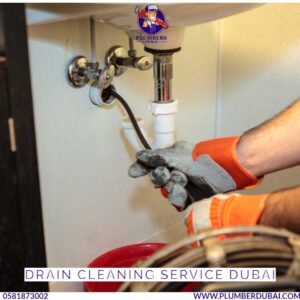
Signs of a blocked drain are essential to spot early to prevent costly plumbing issues. If you notice slow-draining sinks or bathtubs, gurgling noises from pipes, or unpleasant odors in your home, it could be a clear indication of a clogged drain. Another common sign is water pooling around drains or toilets. These symptoms can result from various factors, such as hair, grease, or foreign objects obstructing the pipes. Addressing a blocked drain promptly is crucial to avoid water damage and more extensive plumbing repairs. If you’re experiencing any of these issues, consider seeking professional help to diagnose and resolve the problem efficiently.
Regular drain cleaning is crucial for both residential and commercial properties for several reasons. Firstly, it helps prevent clogs and blockages that can lead to slow drainage, backups, and unpleasant odors. By maintaining clean and clear drains, you reduce the risk of more extensive and costly plumbing issues in the long run. Moreover, regular drain cleaning promotes good hygiene and minimizes the potential for harmful bacteria and mold growth in damp, blocked areas. It also enhances the overall efficiency of your plumbing system, leading to reduced water wastage and lower utility bills. Additionally, for commercial properties, maintaining a smooth operating plumbing system is essential to avoid disruptions and ensure a pleasant environment for customers and employees. In summary, routine drain cleaning is a proactive measure that not only saves you money but also preserves the functionality and cleanliness of your property’s plumbing.
The cost of drain cleaning service in Dubai can vary depending on several factors. The price may depend on the type of property (residential or commercial), the severity of the clog or blockage, the location within Dubai, and the plumbing service provider you choose. On average, a basic drain cleaning service in Dubai cost starts from 150 AED for a residential property, while commercial properties might incur higher costs. It’s advisable to request quotes from us to get a more accurate estimate based on your specific needs and circumstances.
Contact us today!
At Plumber Dubai, we understand that dealing with a clogged drain can be a frustrating and disruptive experience, which is why we strive to provide excellent customer service at every stage of the process. Our team will arrive on time and will clearly communicate with you about the work that needs to be done, ensuring that we fully inform you and make you comfortable with the work we are doing. Overall, if you are in need of drain cleaning services in Dubai, look no further than Plumber Dubai. With a commitment to quality, expertise, and customer satisfaction, we are the clear choice for anyone seeking reliable plumbing services in the region. So, What are you waiting for?
Summary
In summary, if you’re in need of drain cleaning service in Dubai, consider reaching out to Plumber Dubai for its expertise, commitment to customer satisfaction, and competitive pricing. Plumber Dubai’s professional team is equipped to handle a wide range of drain issues and ensure your plumbing system operates smoothly. Regular drain cleaning is crucial for both residential and commercial properties to maintain hygiene, and efficiency, and prevent costly plumbing problems. Don’t wait for a minor clog to turn into a major issue – contact Plumber Dubai for a reliable drain cleaning service in Dubai.
Follow us on Facebook: Plumber Dubai
Visit our other website for more services:- Dubai Repairs