058 187 3002
24/7 EMERGENCY SERVICE
Licensed & Insured Response in 30 Mins Expert Plumber Dubai Dubai #1 Rated Service Licensed & Insured Response in 30 Mins Expert Plumber Dubai Dubai #1 Rated Service
Plumber Dubai Logo
Fix Water Leak

Fix Water Leak

0 Comments

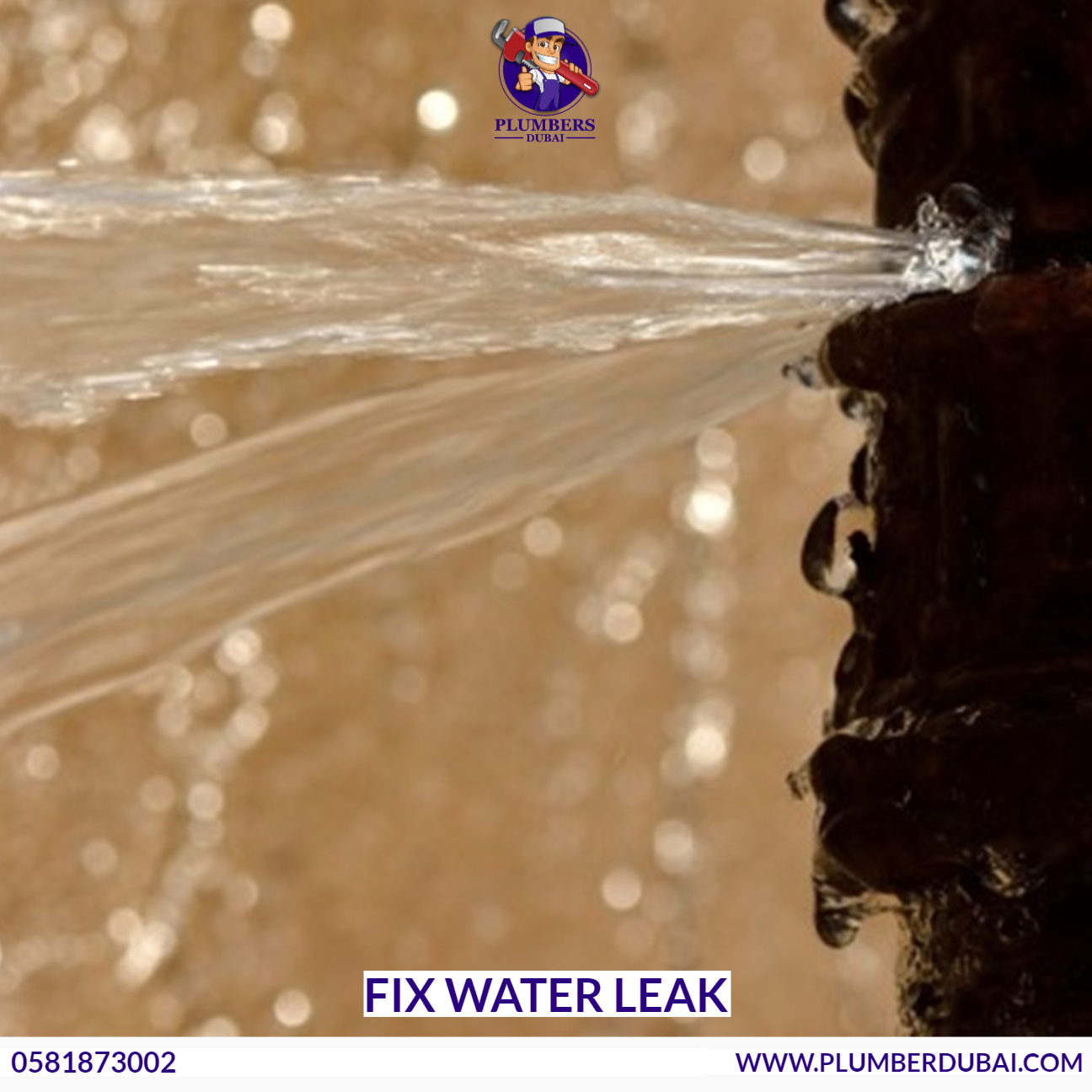
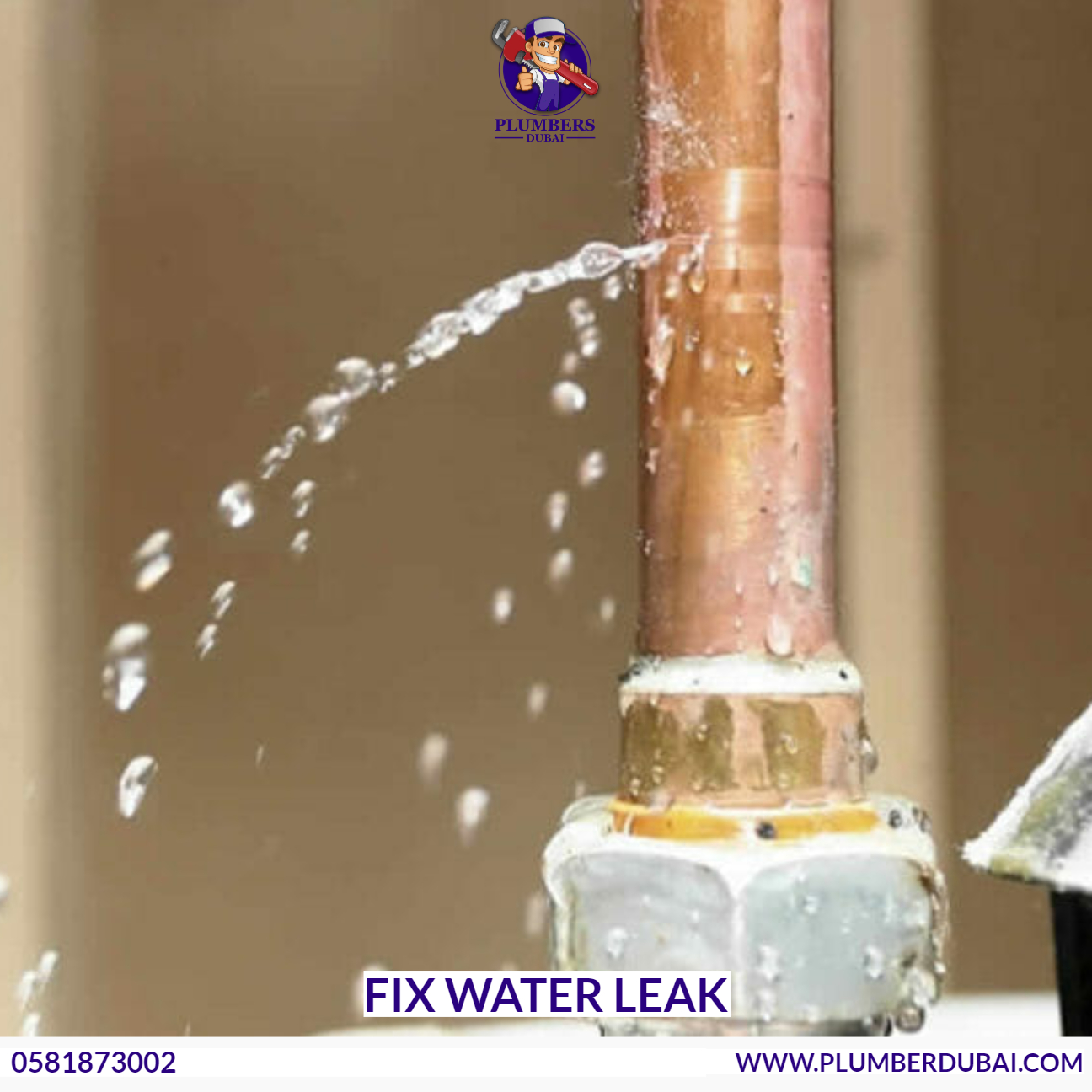
A water leak in a Dubai property can go from a minor inconvenience to a serious problem faster than most homeowners expect — and the speed at which damage accumulates depends almost entirely on how quickly the leak is found and fixed. Hidden leaks behind walls or under floors can run for weeks before becoming visible. By the time there’s a damp patch on a surface, the water has usually spread well beyond the immediate area.

This page covers everything practical about fixing water leaks in Dubai: what causes them, how to identify one, what the repair process actually involves, and when to call a professional versus attempting a temporary fix yourself. If you already know you have an active leak and need someone now, call us on 0581873002 — we respond to water leak calls across Dubai around the clock.

What Causes Water Leaks in Dubai Properties

Understanding the cause matters because it determines what the fix involves and whether the same problem is likely to recur elsewhere in the same system.

Hard Water and Mineral Scale

Dubai’s water supply is desalinated and treated, but it carries a relatively high mineral content. Over time, calcium and magnesium deposits build up inside pipes and at joint connections. This scale buildup does two things: it narrows the internal bore of the pipe, which raises the pressure on remaining cross-section, and it creates localized corrosion points at joints where the scale cracks and allows water to reach the pipe material beneath. In older properties — particularly those with original copper or galvanized steel pipework — this is one of the most common causes of hidden leaks.

Thermal Stress and Temperature Cycling

Dubai’s outdoor temperature swings between 15°C in winter nights and 45°C+ in summer days. Pipes that run through external walls, roof spaces, or outdoors experience significant expansion and contraction across these temperature ranges. PVC and PPR pipe joints that were installed without adequate allowance for thermal movement can develop micro-cracks at fittings over time. This is particularly common in older villa construction where pipe routing took the most direct path rather than accounting for movement.

Water Pressure Irregularities

Dubai’s water pressure from the DEWA supply can be higher than what residential plumbing is designed to handle continuously, particularly in lower-floor units in multi-storey buildings. Sustained high pressure accelerates wear on joint seals, flexible hoses under sinks and behind toilets, and washing machine connections. Flexible braided hoses — the kind connecting supply to toilets, bidets, and kitchen mixers — are among the most common failure points in Dubai apartments, because they’re under constant pressure and rarely inspected until they fail.

Poor Original Installation

Not every property in Dubai was built with the same standard of plumbing workmanship. In some buildings constructed during the rapid development phases of the 2000s, pipe joints were solvent-welded or compression-fitted without adequate preparation, thread sealant was applied inadequately, or pipes were routed through areas where they experience mechanical stress. These installation deficiencies don’t always fail immediately — they can hold for 5 to 10 years before the weak point gives way.

Age and General Wear

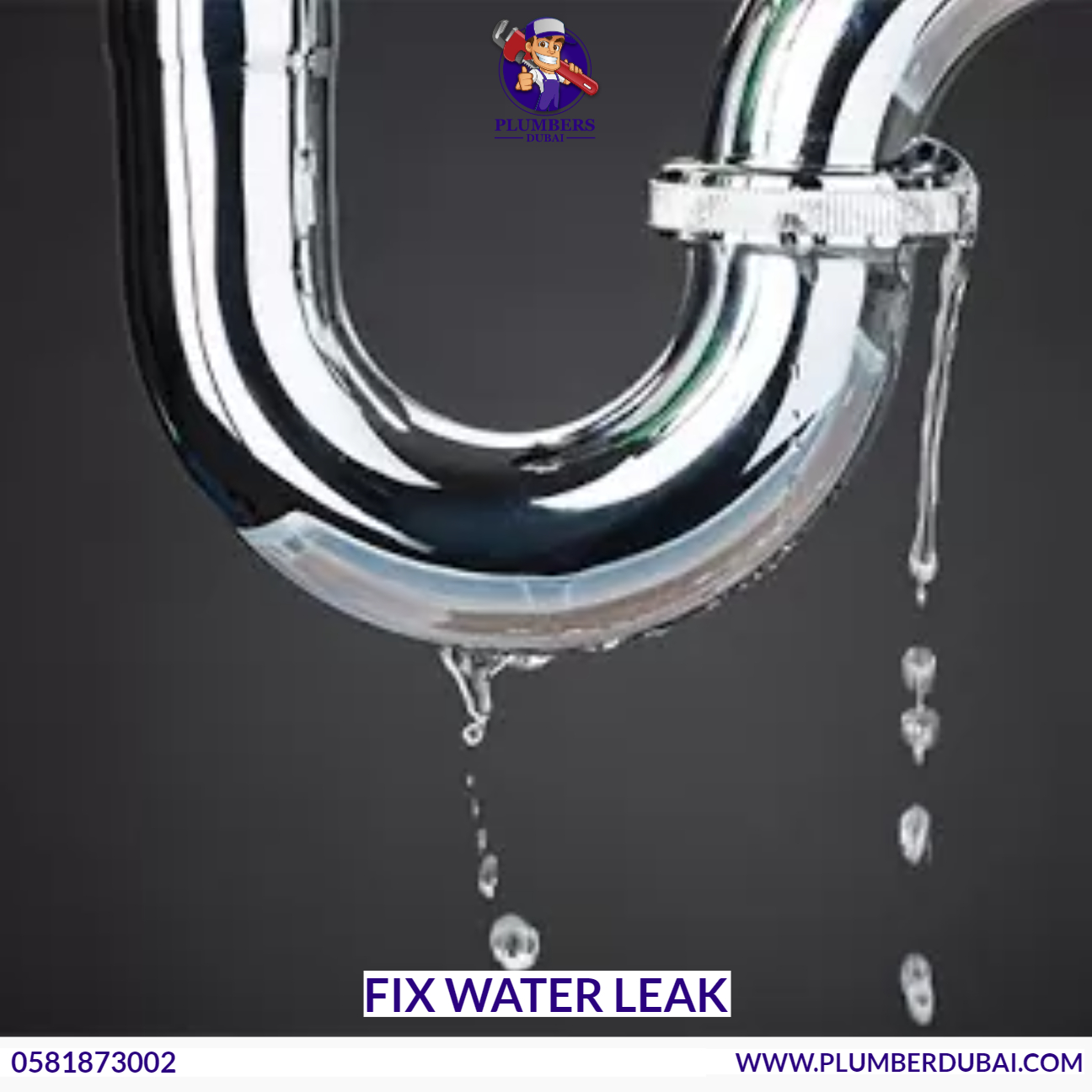
Rubber seals, washers, and cartridge components inside taps and valves have a finite service life. In Dubai’s hard water environment, these components typically need attention sooner than they would in softer water conditions, because mineral deposits abrade the sealing surfaces over time. A dripping tap that’s been ignored for a year and a constantly running toilet cistern are both signs of worn internal components — and both waste a measurable volume of water and add to the DEWA bill every month they’re left unaddressed.

Plumber fixing water leak behind wall in Dubai property

How to Tell If You Have a Water Leak

Some leaks are obvious — water on the floor, a dripping pipe, a ceiling stain that appeared overnight. Others announce themselves quietly over weeks or months. These are the signs worth paying attention to:

DEWA Bill Increasing Without Explanation

This is the most reliable indicator of a hidden leak that hasn’t shown up visually yet. Compare the consumption units on your bills rather than just the total — DEWA bills show actual water units consumed, and a jump of 15 to 20 percent or more without any change in occupancy or usage habits is worth investigating. The consumption figure removes tariff changes from the comparison and gives you a direct measure of water use.

Sound of Running Water With All Taps Off

If you can hear water moving through pipes when every tap, appliance, and irrigation zone is off, there’s water escaping somewhere in the system. The easiest way to confirm this is to check your water meter: note the reading, avoid using any water for 30 minutes, and check again. If the meter has moved, there’s a leak somewhere in your supply system.

Damp Patches, Staining, or Paint Bubbling

Discoloration on walls or ceilings, paint that has bubbled or lifted, or plaster that feels soft when pressed are all signs of moisture behind the surface. In Dubai’s hot climate, a damp patch that appeared and then dried out may still leave a yellow or brown mineral stain. These stains are worth investigating even if there’s no current moisture — the underlying leak may still be active, just not currently showing on the surface.

Low Water Pressure in Specific Outlets

If pressure has dropped at one tap or one bathroom but is normal elsewhere in the property, a leak in the supply line serving that area is a likely cause. The water that should be reaching the tap is escaping somewhere along the line instead. This pattern — localized rather than property-wide pressure loss — is useful diagnostic information that helps narrow down where to look.

Wet Spots in the Garden or Constantly Damp Soil

For villa properties with irrigation systems, a patch of garden that stays persistently wet or has noticeably lusher growth than the surrounding area often indicates an underground irrigation leak. The same applies to driveways or paved areas with unexplained wet patches that don’t correspond to recent rainfall or hosing down.

What Fixing a Water Leak Actually Involves

The repair process depends on where the leak is and what’s causing it. It’s worth understanding this before a plumber arrives so you can have a realistic expectation of what the visit involves.

Visible Fixture and Fitting Repairs

The simplest category: dripping taps, running toilet cisterns, leaking flexible hoses, shower mixer failures. These are component replacements — a new cartridge in a mixer tap, a new fill valve in a cistern, a new braided hose under a sink. A straightforward visit, usually completed in under an hour, with the right parts carried. In Dubai, it’s worth replacing flexible braided hoses throughout a property if they’re more than 5 to 7 years old even if only one has failed — they tend to fail in clusters because they were all installed at the same time.

Hidden Pipe Leaks Inside Walls or Under Floors

This is where the process becomes more involved. Before anything is opened, a plumber should use detection equipment — acoustic sensors, thermal imaging, or pressure isolation testing — to locate the leak as precisely as possible. Pressure isolation testing narrows the search to a specific pipe circuit. Acoustic detection narrows it to a specific location along that circuit. Thermal imaging finds the moisture pattern behind the surface.

Once located, the plumber opens only what’s necessary — a section of plasterwork, a tile or two, a cut in the floor screed — makes the repair, and pressure tests before closing up. The surface restoration after the repair (re-rendering, re-tiling, repainting) may be done by the plumber if it’s within scope, or coordinated separately if it involves specialist finishes.

Underground Leaks in Supply or Drainage Lines

Leaks in underground lines — under a slab, beneath a garden, or in a buried irrigation system — require a combination of pressure testing and ground-level acoustic detection to locate before excavation. Modern acoustic equipment is sensitive enough to detect leaks through soil and concrete, which means the excavation is targeted rather than exploratory. The repair itself involves exposing the failed section, replacing or repairing it, pressure testing, and backfilling.

Roof Tank and Water Pump Leaks

Properties with rooftop water tanks — common in older Dubai buildings — can develop leaks at tank connections, float valves, and the supply lines running from the tank downward. These are inspected by accessing the rooftop tank space and checking all connections under normal operating pressure. Pump seal failures produce leaks around the pump housing and are addressed with seal replacement or pump replacement depending on the unit’s age and overall condition.

Water leak detection using thermal imaging camera in Dubai

What to Do Right Now If You Have an Active Leak

If water is actively flowing from a leak, the first priority is stopping the supply to that area. In most Dubai apartments and villas, each bathroom has a local isolation valve — usually a small lever or screwdriver-slot valve on the pipe running to the toilet or basin. Turning this off stops water to that fixture without cutting supply to the whole property.

If you can’t isolate the leak at a local valve, the main stopcock for the property shuts off all supply. In most apartments this is near the water meter, typically in a utility cupboard or near the front door. In villas it’s usually at the boundary of the plot near the DEWA meter.

With the water off, the immediate damage stops. Move anything that can be damaged away from the wet area, put down towels or a bucket if water is still draining through from a ceiling or wall cavity, and call a plumber. Don’t attempt to reopen the supply to test whether the leak has somehow stopped — it won’t have, and you’ll just extend the water exposure to the surrounding materials.

For emergency water leak repair in Dubai, call us on 0581873002. We’re available 24 hours and can reach most Dubai areas within 30 to 45 minutes for active leak emergencies.

Preventing Water Leaks Before They Happen

No plumbing system is completely immune to leaks, but the frequency and severity of problems can be reduced significantly with some basic maintenance habits.

Flexible braided hoses — the connections under sinks, behind toilets, and at bidets — should be replaced every 5 to 7 years regardless of visible condition. They look fine until they fail, and when they fail they fail completely, flooding the cabinet or room within minutes. This is the single most cost-effective preventive maintenance step in any Dubai apartment.

Water pressure above 4 bar is hard on seals, joints, and flexible connections. If your property doesn’t have a pressure regulator and you’re on a ground or lower floor in a multi-storey building, having one installed is worth considering — it reduces wear on every component in the system simultaneously.

An annual plumbing inspection that includes a pressure test, visual check of accessible joints and connections, and water meter flow test can catch early-stage problems before they become active leaks. For properties over 10 years old, this kind of check is genuinely worth scheduling rather than waiting for something to fail visibly.

For full water leak detection services, pipe repairs, or a property inspection anywhere in Dubai, get in touch with Plumber Dubai. We carry acoustic detection equipment, thermal imaging, and pressure testing tools on every visit, and we’ll tell you exactly what we find before recommending any repair work.

Completed water leak repair with pipe replacement in Dubai

Frequently Asked Questions About Fixing Water Leaks in Dubai

How much does it cost to fix a water leak in Dubai?

The cost depends entirely on what type of leak it is and where it is. Replacing a flexible hose under a sink or a cistern fill valve is a minor job — straightforward component replacement at low cost. Finding and repairing a hidden leak inside a wall involves detection equipment, surface opening, repair, and surface restoration, which adds up to considerably more. Underground leaks requiring excavation are the most involved category. A plumber should give you a clear quote after assessing the situation — not before, because no honest estimate is possible without knowing the leak’s location and cause.

Can I use leak sealant or repair tape as a temporary fix?

For a pinhole leak in an accessible pipe while you wait for a plumber, a temporary repair clamp or self-amalgamating tape can reduce water loss in the short term. These are not permanent repairs — the underlying pipe material has failed and needs to be properly addressed. Using sealant products inside walls or at embedded joints is not effective and can mask the problem while it continues to cause damage. Temporary measures are useful for managing an emergency until professional repair is completed, not as a substitute for it.

My neighbor below me is complaining about water coming through their ceiling — what should I do?

First, check all your bathroom and kitchen areas for any obvious signs of a leak — water under sink cabinets, a running toilet that might be overflowing, a wet area around the washing machine. If nothing is immediately obvious, shut off your main supply valve and check whether the ceiling leak in the unit below stops. If it does, the source is inside your unit and you need a plumber to locate it. If it continues after your supply is shut off, the source may be in a shared building pipe rather than your unit, and building management should be involved alongside a plumber.

How long does it take to fix a hidden wall leak in Dubai?

Detection typically takes 30 to 60 minutes using acoustic and thermal equipment. The repair itself depends on access — if the pipe is behind a single section of plasterwork, the pipe repair can usually be completed in the same visit. If tiling needs to be removed or if the leak is in an area with limited access, the physical repair may take longer, and surface restoration is usually a separate step after the repaired area has dried sufficiently. Your plumber should be able to give you a realistic timeline after completing the detection phase.

Should I tell my building management about a water leak in my apartment?

Yes, particularly if the leak has caused or might cause damage to common areas or to other units. In Dubai, building management is typically responsible for shared infrastructure — risers, common supply lines, roof tanks — while individual unit owners or tenants are responsible for their own unit’s internal plumbing. Notifying management creates a record of the issue and clarifies responsibility, which matters if there’s a question about who bears the repair cost for water damage to another unit or common area. For leaks clearly inside your own unit, you can proceed with repair without waiting for management involvement — but keeping them informed is generally the right approach in a shared building.

Leave a Reply

Your email address will not be published. Required fields are marked *

💬 WhatsApp 📞 Call Us Now ✉️ Email Support 📱 Send SMS